Most companies think they’re doing personalization right, they’re not. And it’s costing them more than they realize.
For years, “personalization” in enterprise CX meant recommendations. “You bought this, so here’s that.” Clean, predictable, and honestly… outdated. Because customers today aren’t waiting to be understood later, they expect it now.
We noticed something interesting while analyzing modern CX strategies: brands that rely only on static recommendations don’t just underperform they fall behind dramatically. Meanwhile, companies investing in real-time personalization are seeing engagement spikes that aren’t incremental… they’re exponential.
Here’s the shift no one talks about enough:
Personalization is no longer about what you show. It’s about when and why you show it.
From Reactive to Real-Time
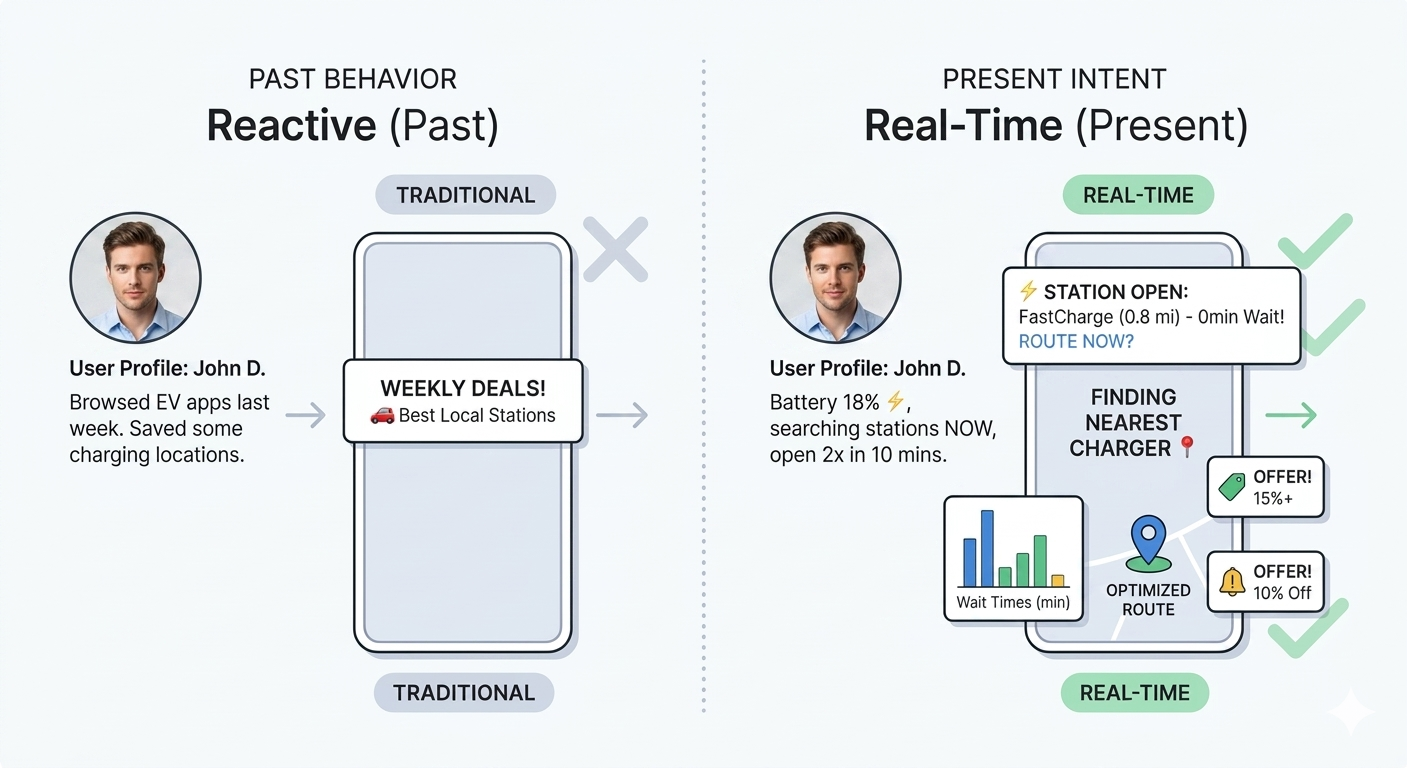
Traditional personalization reacts to past behavior.
Real-time personalization responds to present intent.
What’s the difference? It’s everything.
Imagine a user browsing an EV app. Their battery is at 18%, they’re searching for nearby stations, and they’ve opened the app twice in the last 10 minutes. A traditional system might still push a generic “Top Charging Stations Near You” recommendation.
A real-time system, though, understands urgency. It adapts instantly by:
- Highlighting the nearest available charging station
- Displaying real-time wait times
- Offering optimized routes
- Triggering contextual offers or alerts
Same user. Same data. A completely different experience.
And suddenly, CX stops feeling like a funnel… and starts feeling like intuition.
The Evolution of Personalization
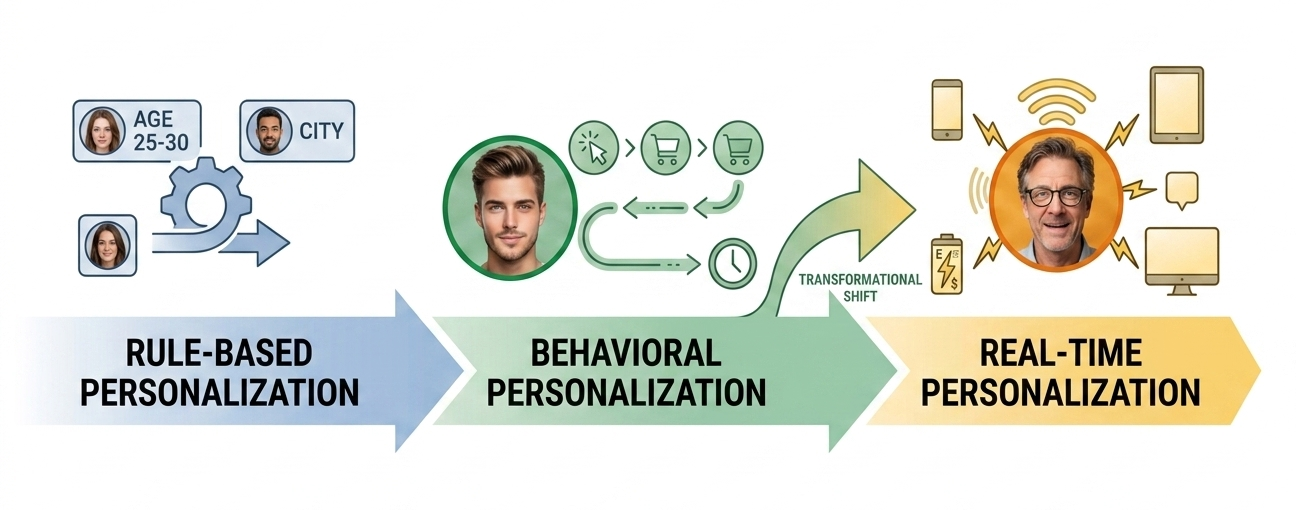
To understand why this shift matters, it helps to look at how personalization has evolved:
1. Rule-Based Personalization
- Static segments (age, location, demographics)
- Predefined rules (“if X, then Y”)
- Limited adaptability
2. Behavioral Personalization
- Based on past interactions (clicks, purchases)
- Improved relevance
- Still delayed and reactive
3. Real-Time Personalization (Current Shift)
- Driven by live user signals
- Context-aware and adaptive
- Happens instantly across channels
The gap between stage 2 and stage 3 isn’t incremental, it’s transformational.
Why Enterprise CX Needs This Shift
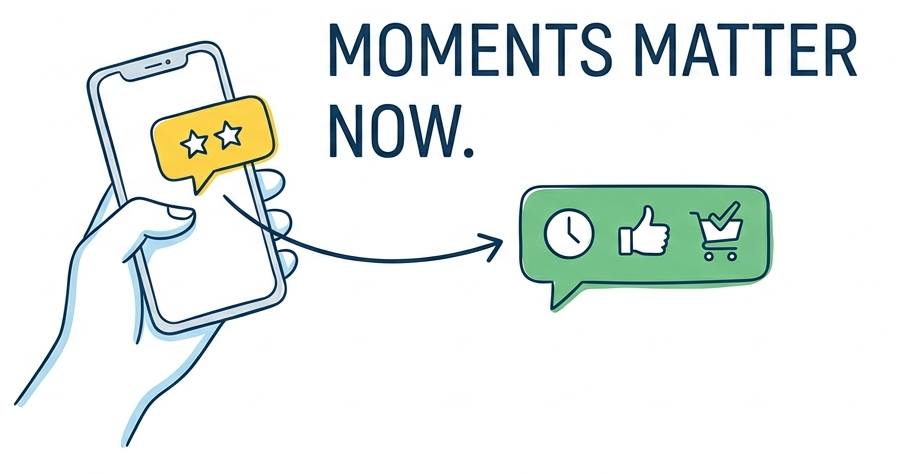
Customers today are operating in moments, not journeys.
They don’t think in stages like “awareness” or “consideration.” They think:
“I need this. Right now. Make it easy.”
We’ve seen that brands treating CX as a linear journey often miss these high-intent micro-moments. And those moments? That’s where loyalty is actually built.
Not at the first click.
Not at the final purchase.
But in the in-between decisions when the experience either helps… or hesitates.
Key Characteristics of Modern Customer Behavior:
i. Non-linear interactions: Users jump across channels unpredictably
ii. Short attention spans: Delays lead to drop-offs
iii. High expectations: Influenced by best-in-class digital experiences
iv. Context-driven decisions: Behavior changes based on time, place, and need
Enterprises that fail to adapt to this reality risk delivering experiences that feel disconnected and outdated.
The Power of Micro-Moments
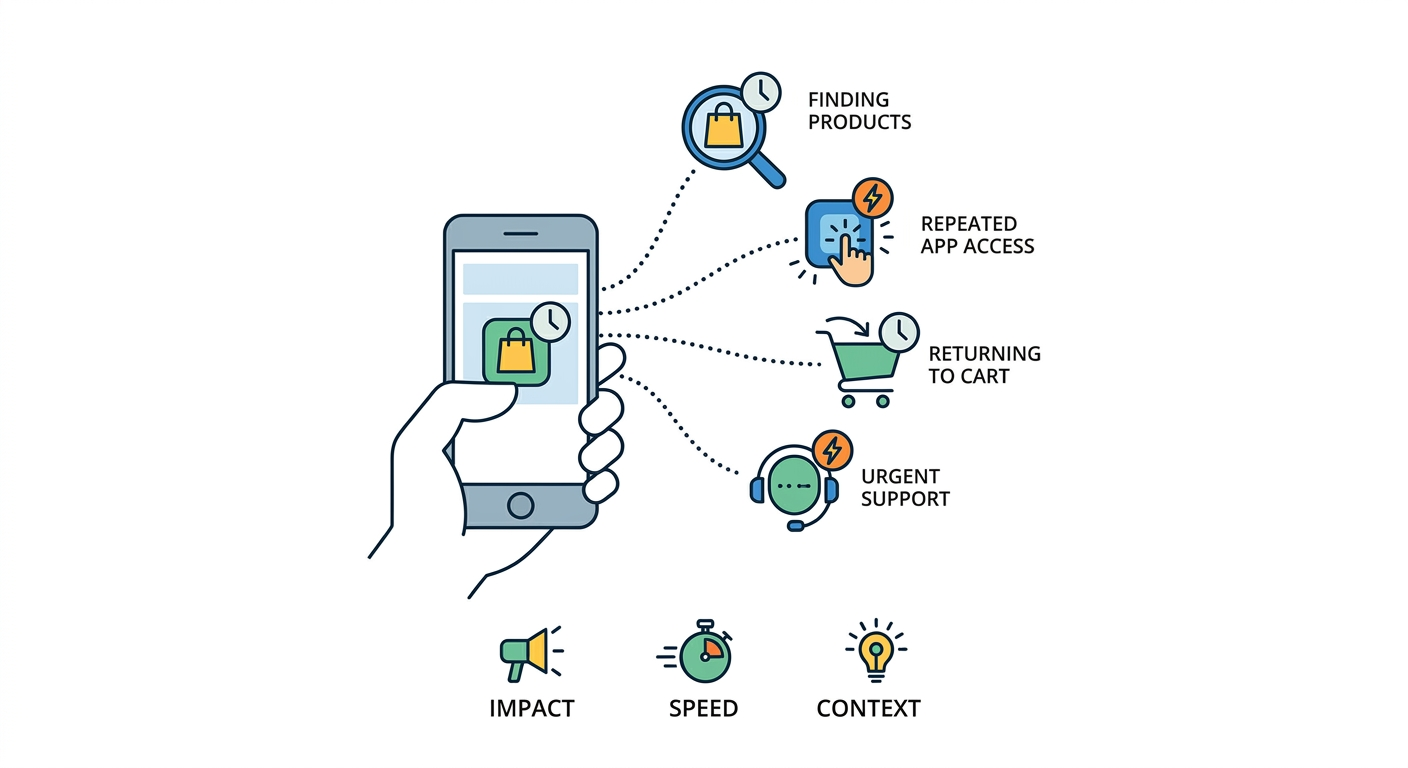
Micro-moments are brief, intent-rich interactions where decisions are made quickly.
Examples include:
- Searching for a product while commuting
- Opening an app multiple times within minutes
- Abandoning a cart and returning shortly after
- Looking for support during a critical issue
These moments are:
1. High-impact: They directly influence decisions
2. Time-sensitive: Delayed responses lose relevance
3. Contextual: Require understanding of immediate intent
Real-time personalization ensures that brands don’t just participate in these moments — they win them.
The Data Isn’t the Problem Timing Is
Most enterprises already have the data. CDP, analytics tools, behavioral tracking — it’s all there.
But here’s the uncomfortable truth:
Having data doesn’t mean you’re using it when it matters.
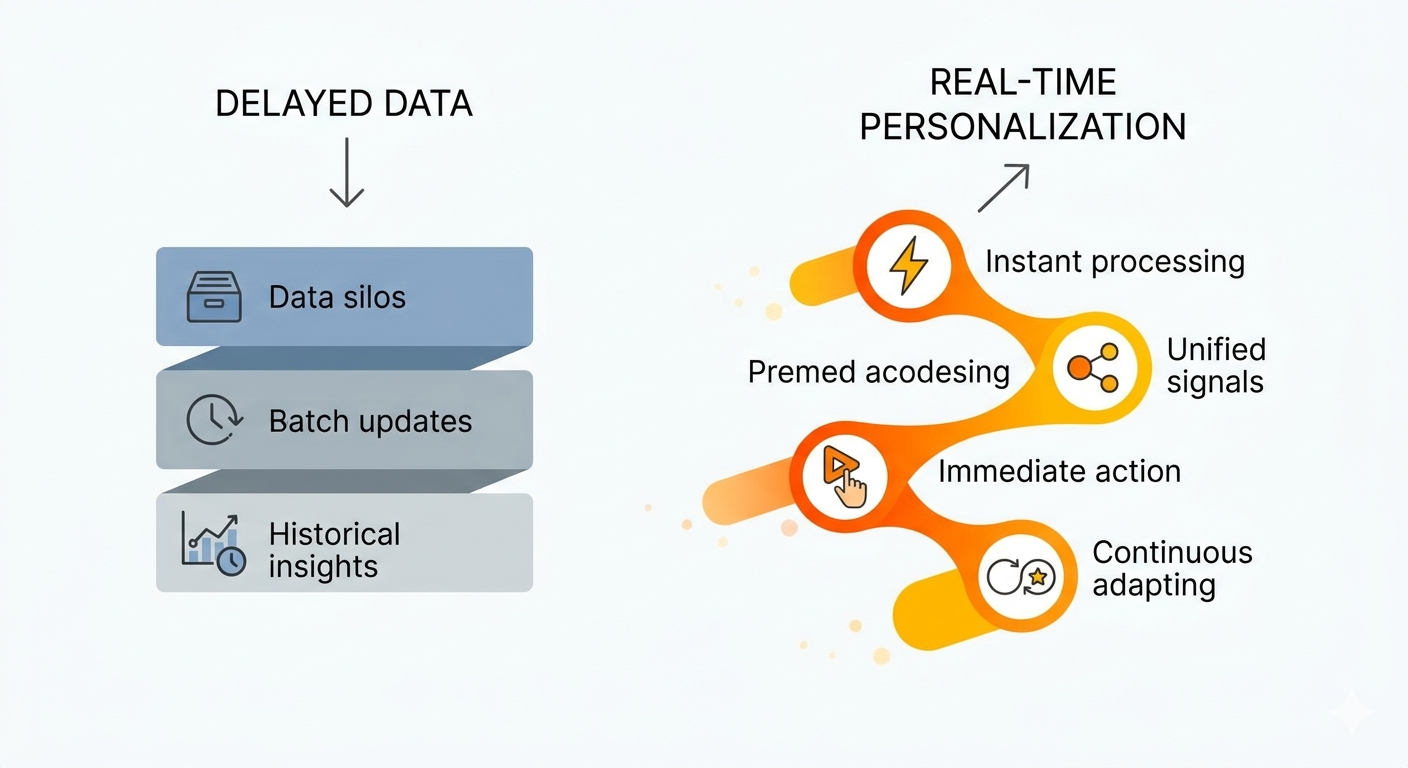
Common Challenges Enterprises Face:
- Data silos across departments
- Delayed processing and batch updates
- Over-reliance on historical insights
- Lack of real-time decisioning capabilities
Real-time personalization addresses these gaps by:
- Processing data instantly
- Unifying signals across touchpoints
- Enabling immediate action
- Continuously adapting experiences
Because in modern CX:
Relevance delayed is relevance denied.
What Real-Time Personalization Actually Enables
Real-time personalization goes beyond recommendations. It transforms the entire customer experience.
1. Contextual Messaging
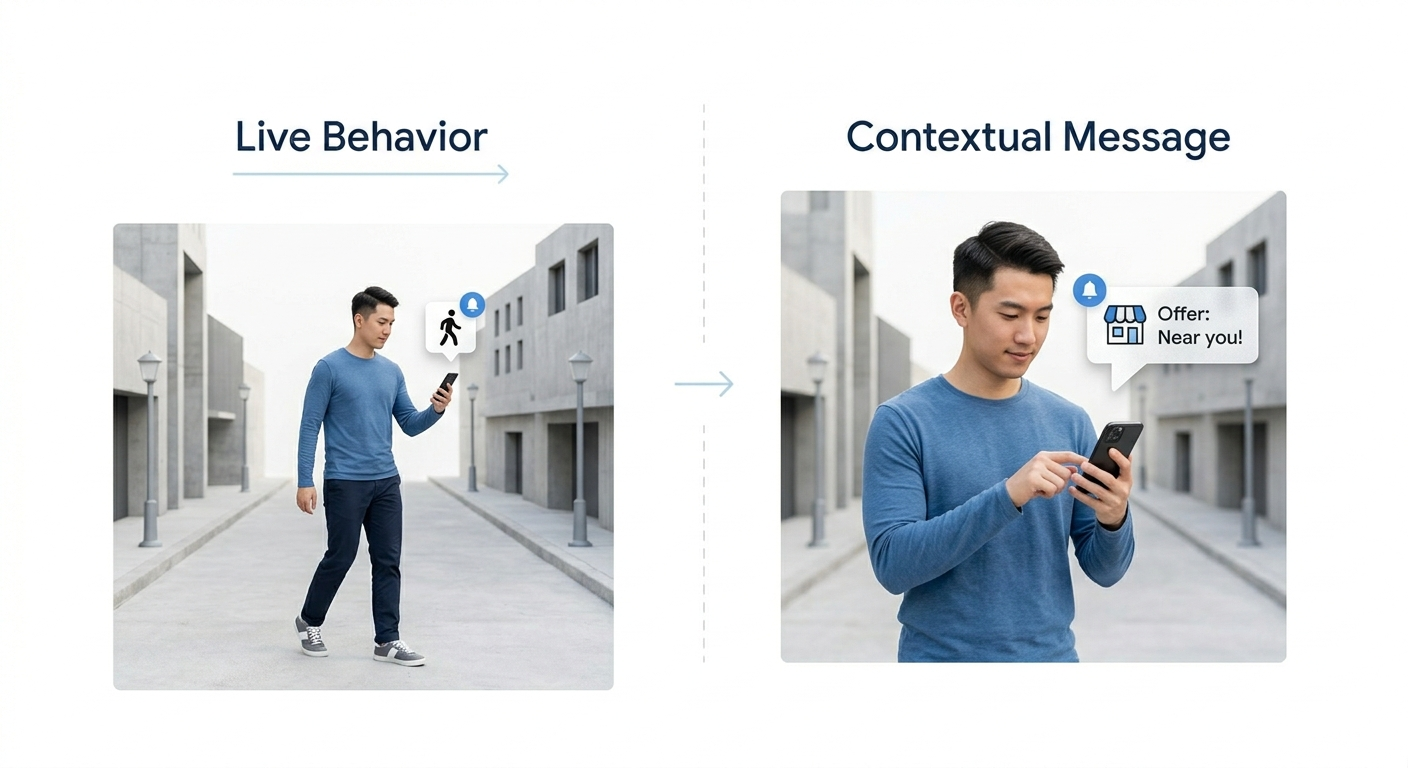
Deliver messages based on live behavior, not past assumptions.
2. Dynamic Content Adaptation
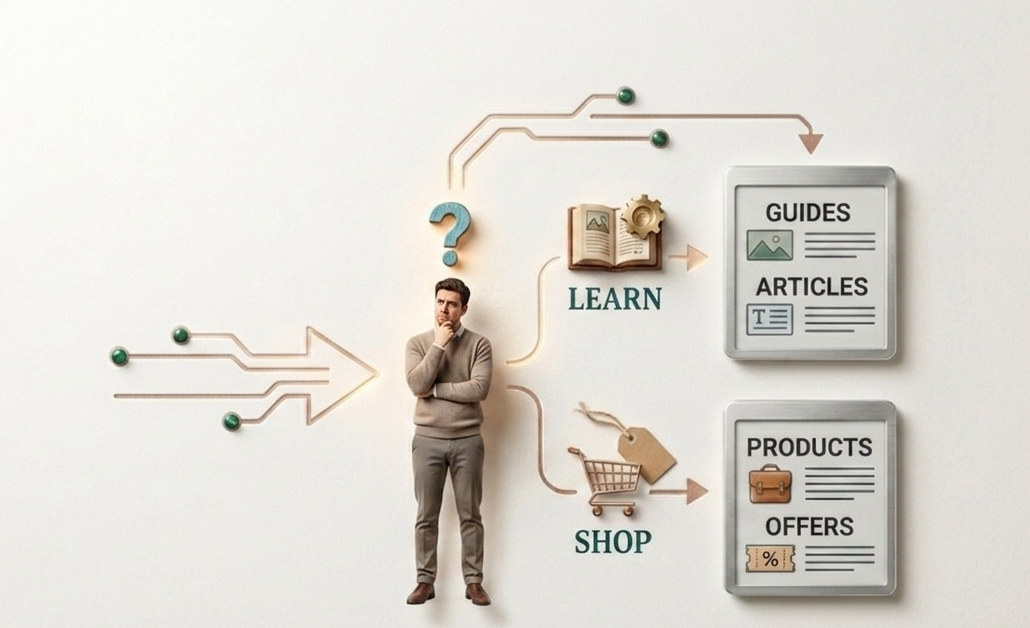
Websites, apps, and interfaces change in real time based on user intent.
3. Cross-Channel Consistency
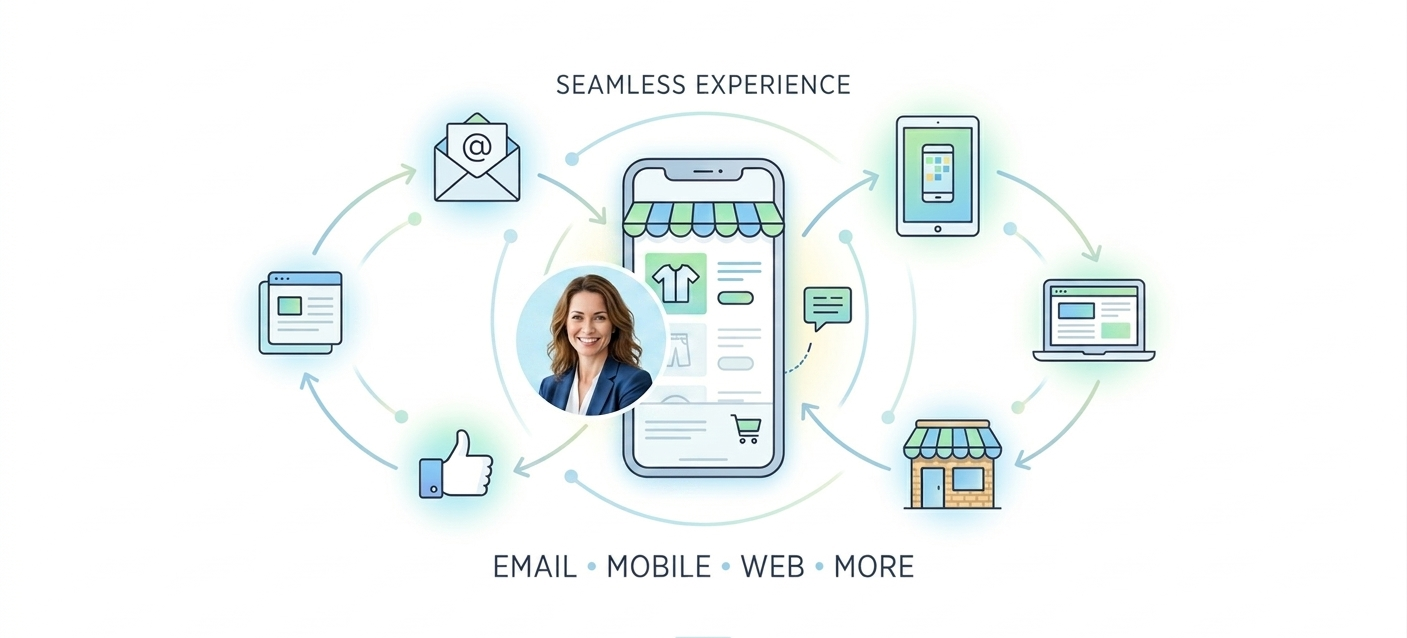
Ensure seamless experiences across email, mobile, web, and more.
4. Predictive Engagement
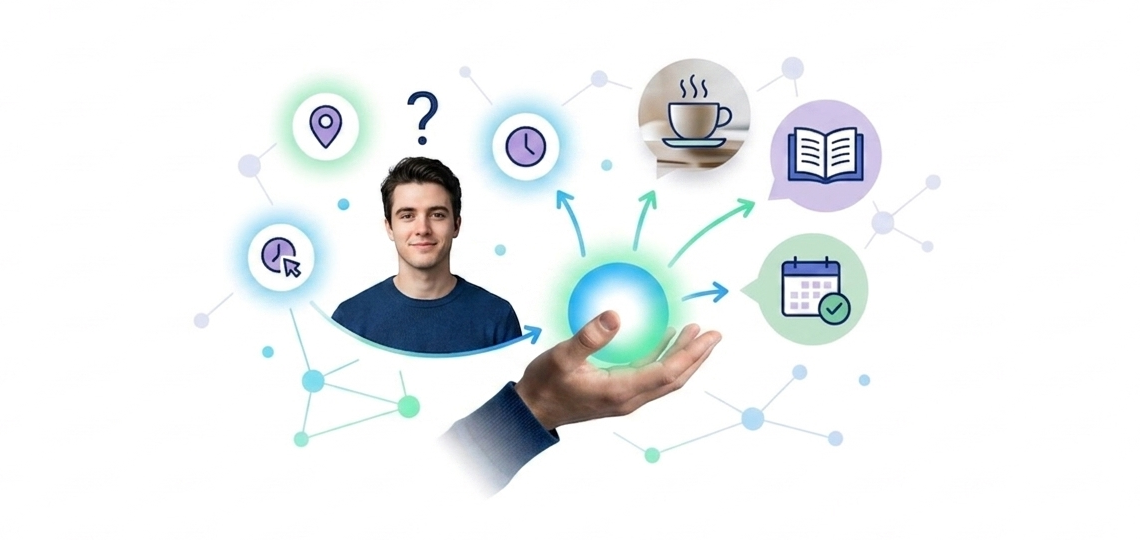
Anticipate user needs before they explicitly act.
5. Instant Decisioning
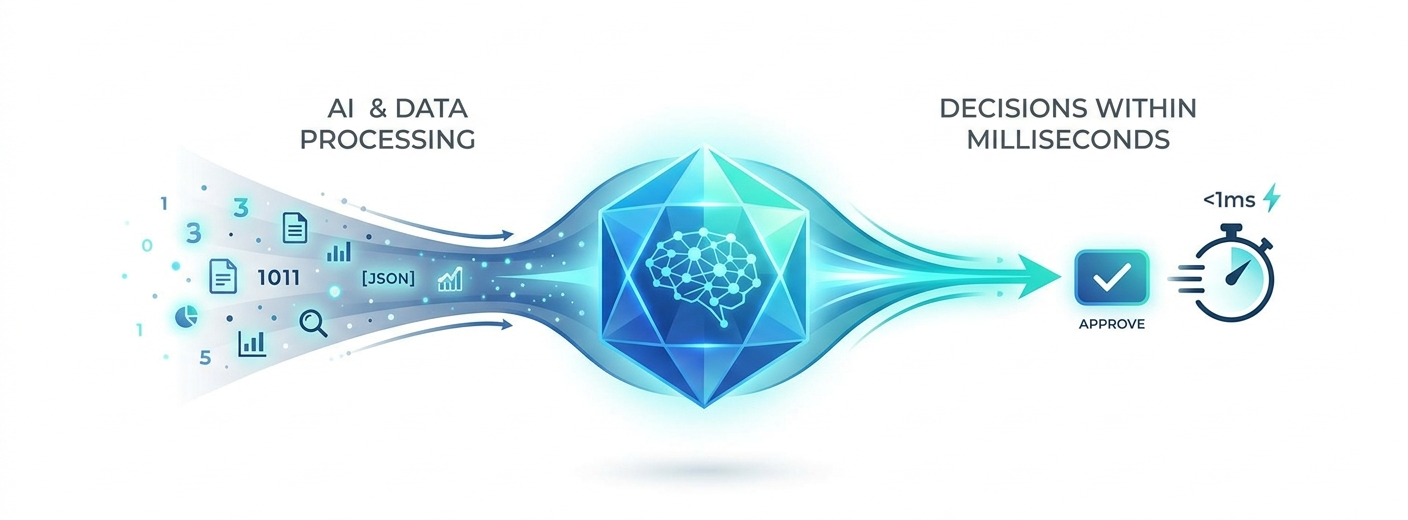
Use AI and data processing to make decisions within milliseconds. This is where real-time predictive scoring becomes critical continuously evaluating user intent, likelihood to convert, and next-best actions based on live signals.
Business Impact: More Than Just Engagement
While improved engagement is a key outcome, the impact of real-time personalization extends much further.
Measurable Benefits:
- Higher conversion rates due to timely relevance
- Increased customer retention through better experiences
- Improved lifetime value (LTV)
- Reduced churn
- Stronger brand perception
Enterprises that adopt real-time personalization aren’t just optimizing CX — they’re future-proofing it.
Implementation Challenges (And Why They Matter)
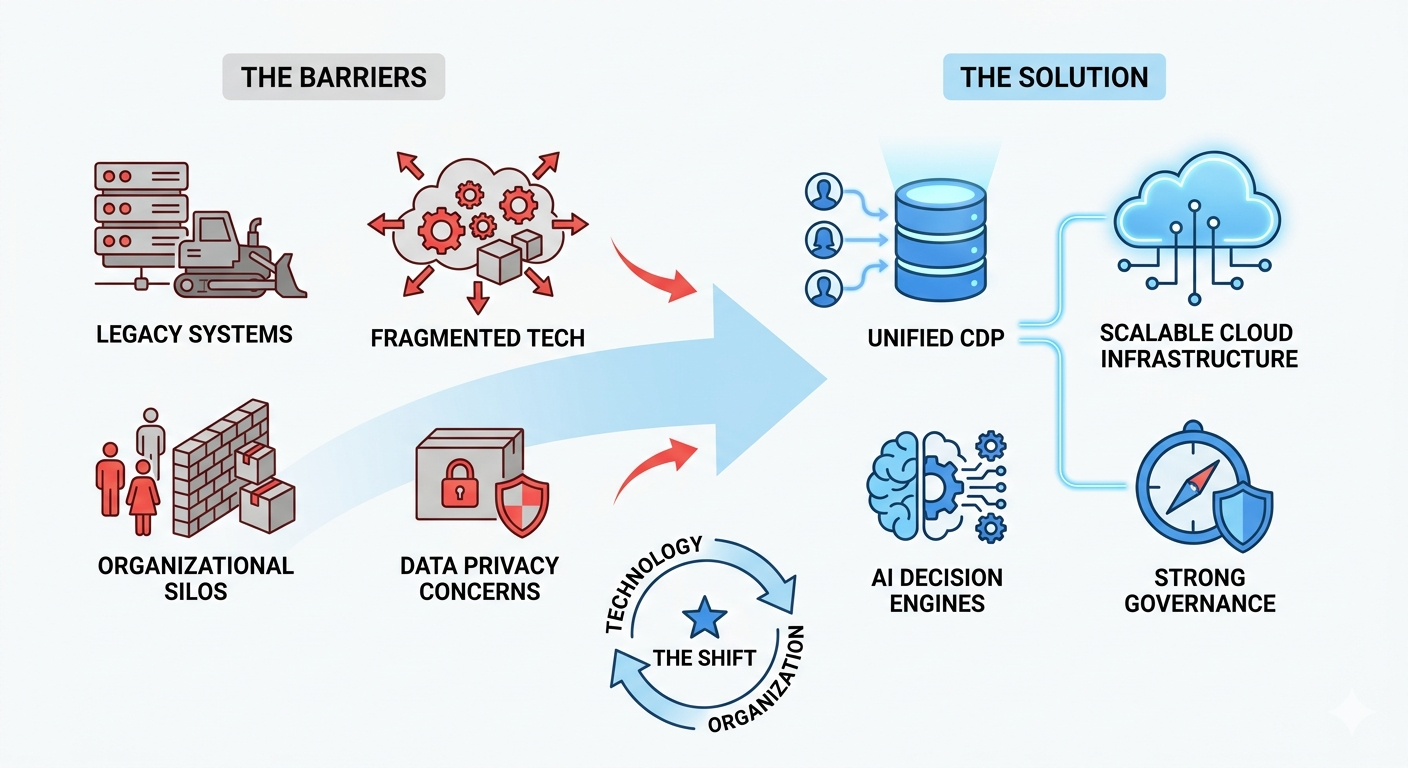
Despite its advantages, real-time personalization isn’t without challenges.
Common Barriers:
- Legacy systems that cannot process real-time data
- Fragmented technology stacks
- Organizational silos
- Limited AI/ML capabilities
- Data privacy and compliance concerns
What Enterprises Need to Overcome These:
i. Unified customer data platform (CDP)
ii. Scalable cloud infrastructure
iii. Real-time data pipelines
iv. AI-driven decision engines
v. Strong governance frameworks
The shift isn’t just technological, it’s organizational.
The New Baseline Isn’t Optional
This isn’t a “future trend” or a “nice-to-have innovation.”
It’s the new baseline.
Customers don’t compare you to your direct competitors anymore. They compare you to the best experience they’ve had anywhere whether that’s a streaming platform, a fintech app, or a food delivery service.
What This Means for Enterprises:
- Lagging behind in CX is immediately noticeable
- Expectations are shaped by industry leaders, not peers
- Experience quality directly impacts brand perception
And if your CX feels one step behind, they notice.
Quietly. Immediately. Permanently.
The Road Ahead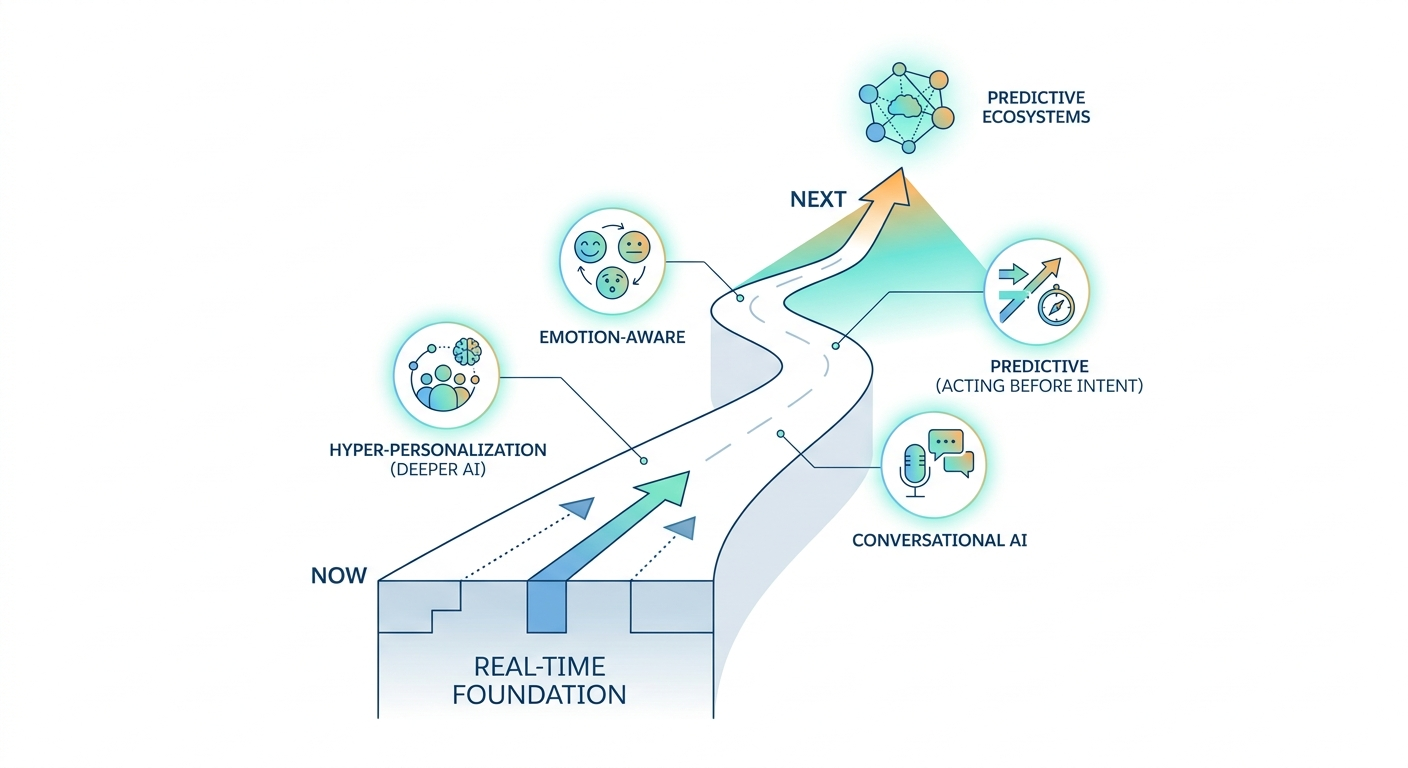
Real-time personalization is not the final stage, it’s the foundation for what comes next.
Future advancements will include:
- Hyper-personalization powered by deeper AI models
- Emotion-aware experiences
- Voice and conversational personalization
- Predictive ecosystems that act before intent is explicit
Enterprises that build real-time capabilities today will be best positioned to adopt these innovations tomorrow.
The Real Question Isn’t “Should You Adapt?”
Because in modern CX, speed isn’t a feature, it’s the experience.
Lemnisk plays a critical role in enabling this shift by helping enterprises act on real-time customer intent rather than relying on delayed insights. By continuously analyzing live behavioral signals and adapting interactions instantly across channels, Lemnisk allows brands to deliver experiences that feel relevant, responsive, and seamless at scale.

Leave a Reply