The grocery and FMCG industry is evolving faster than ever. Customers today are not just looking for products — they expect seamless, personalized, and meaningful experiences across every interaction.
With multiple options available at their fingertips, switching brands has become effortless. Loyalty is no longer driven solely by proximity or pricing. It is shaped by how well a brand understands and engages its customers.
Loyalty apps, once built to offer discounts and reward points, are now central to customer engagement strategies. However, many brands struggle to unlock their full potential due to fragmented data and lack of real-time insights.
This is where a Customer Data Platform (CDP) plays a transformative role.
The Challenge with Traditional Loyalty Apps

Despite widespread adoption, most loyalty apps fail to deliver consistent engagement. The primary issue lies in how customer data is managed and utilized.
Data is often scattered across systems — mobile apps, billing systems, CRM tools, and marketing platforms. Without integration, brands lack a unified understanding of their customers.
As a result:
- Communication becomes generic
- Offers lack relevance
- Engagement declines over time
Customers receive messages that do not align with their needs or preferences. Over time, this leads to reduced app usage, lower redemption rates, and ultimately, customer churn.
In an environment where attention spans are short and expectations are high, this disconnect becomes a significant barrier to building loyalty.
Understanding the Role of a CDP
A Customer Data Platform (CDP) is designed to solve this exact problem. It collects and unifies customer data from multiple touchpoints to create a single, comprehensive customer profile.
Unlike traditional data systems, a CDP goes beyond storage. It enables activation — allowing brands to use data effectively in real time.
With a CDP, brands can:
- Gain a complete view of each customer
- Track behavior across channels
- Segment audiences intelligently
- Deliver personalized experiences
- This unified approach allows businesses to move from fragmented interactions to cohesive customer journeys.
How CDPs Enhance Loyalty App Engagement
Unified Customer View
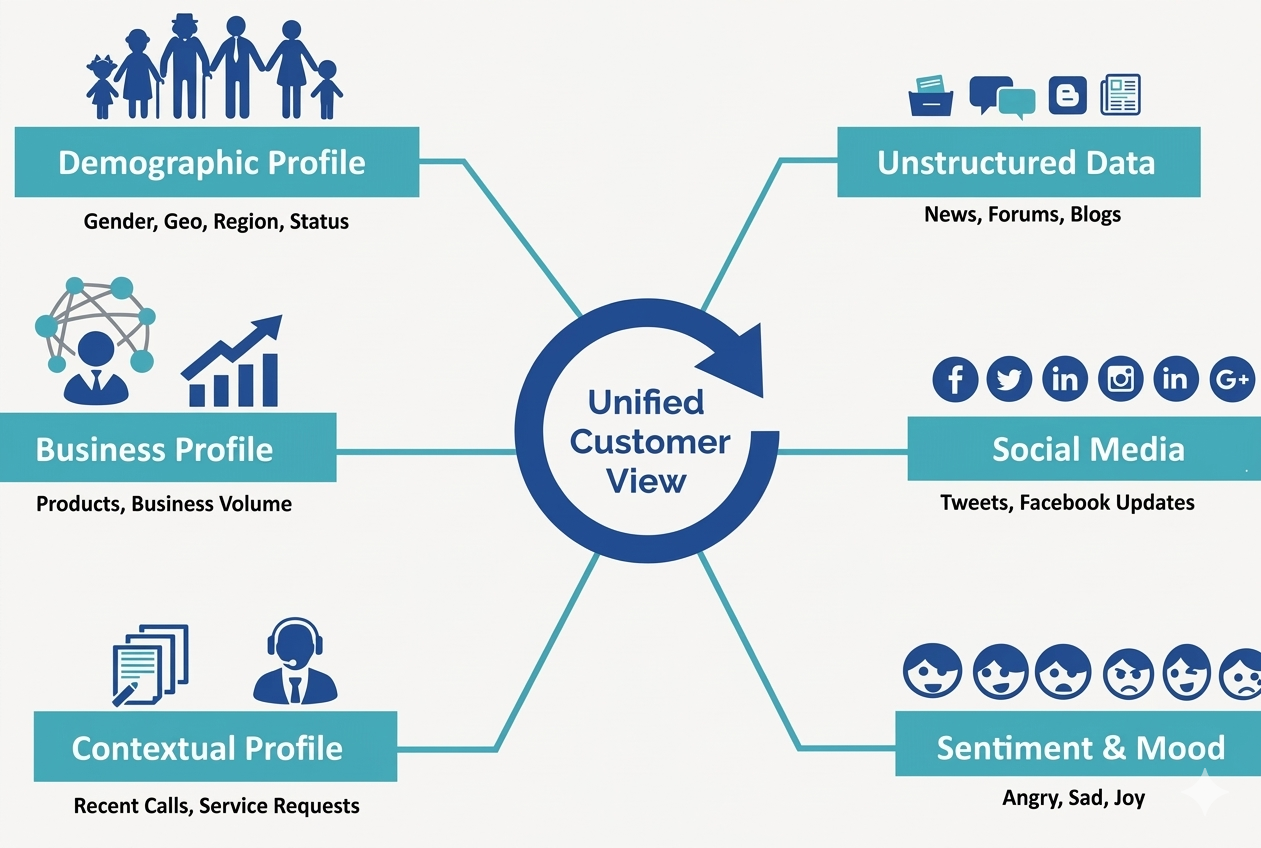
At the core of any effective engagement strategy is a deep understanding of the customer.
A CDP consolidates data from various sources into a single profile. This includes purchase history, browsing behavior, app interactions, and communication preferences.
With this unified view, brands can better understand customer intent and behavior, enabling more informed decision-making.
Hyper-Personalization

Modern consumers expect brands to recognize their preferences and respond accordingly.
CDPs enable hyper-personalization by analyzing customer data in real time. Instead of sending the same message to every user, brands can tailor communication based on individual behavior and needs.
This leads to:
- Higher engagement rates
- Improved customer satisfaction
- Increased conversions
- Personalization shifts the focus from mass communication to meaningful interaction.
Real-Time Engagement

Timing plays a critical role in customer engagement.
CDPs allow brands to respond to customer actions as they happen. Whether it is a product search, app visit, or purchase, brands can trigger relevant communication instantly.
Real-time engagement ensures that messages are delivered when they are most likely to resonate, significantly improving effectiveness.
Omnichannel Consistency
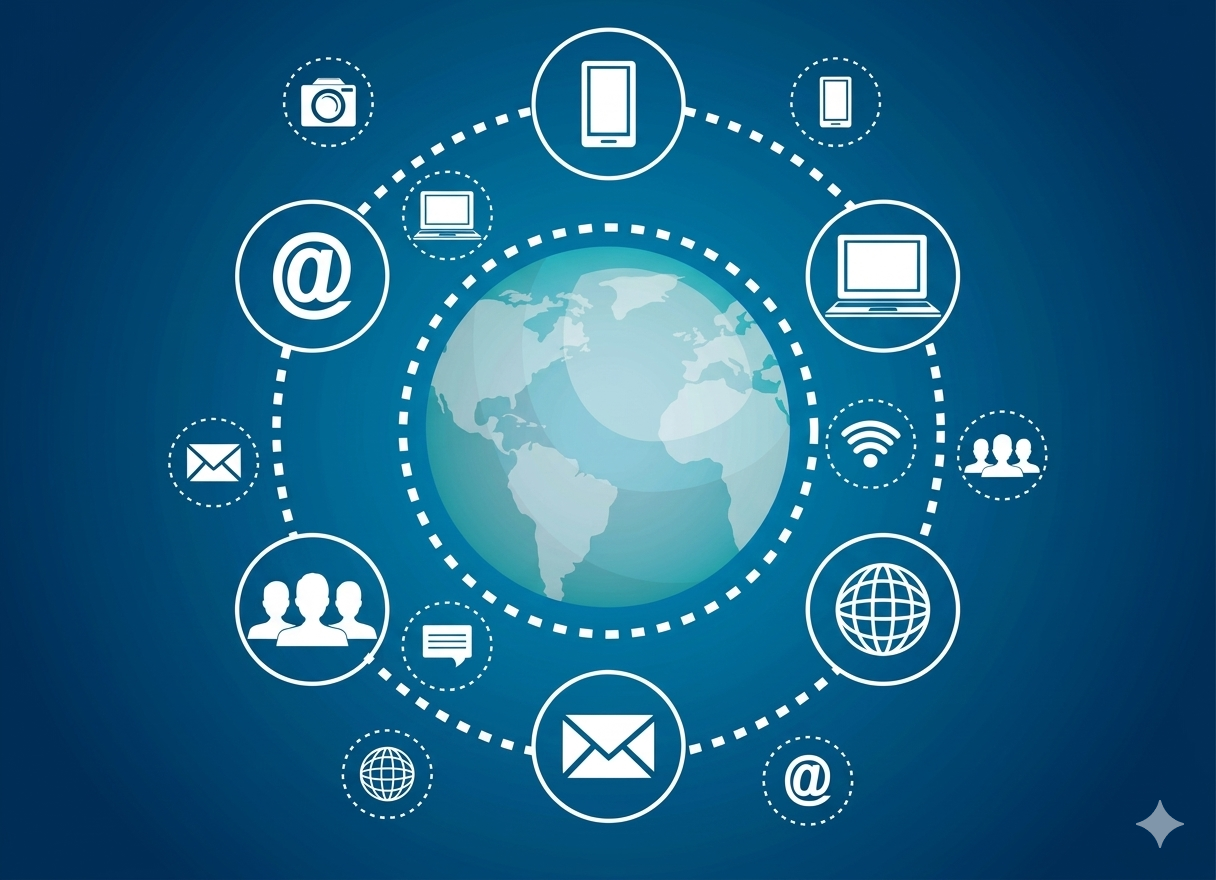
Customers interact with brands across multiple channels — mobile apps, email, SMS, and more.
A CDP ensures that communication remains consistent across all these touchpoints. It synchronizes messaging and maintains continuity in the customer journey.
This consistency builds trust and enhances the overall experience by ensuring a seamless omnichannel journey across every touchpoint.
Advanced Segmentation
Not all customers behave the same way. Treating them as a single group often leads to ineffective campaigns.
CDPs enable advanced segmentation based on behavior, preferences, and lifecycle stages. This allows brands to create targeted campaigns for different audience groups.
Targeted communication improves relevance and increases the likelihood of engagement.
The Role of AI in Modern CDPs

Artificial Intelligence has become a core driver of modern Customer Data Platforms, enabling brands to move beyond traditional, rule-based engagement toward intelligent, adaptive systems.
AI introduces advanced capabilities that significantly enhance how customer data is used:
- Predictive analytics to forecast future actions such as purchase intent or potential churn
- Automated decision-making to optimize campaigns continuously without manual intervention
- Real-time personalization that adapts content, offers, and messaging instantly
- Intelligent journey orchestration that adjusts customer paths dynamically
- Evolving segmentation based on behavioral patterns and live data inputs .
These capabilities allow brands to shift from static communication to fluid, context-aware engagement.
- One of the most impactful contributions of AI is its ability to process real-time signals. Every interaction — whether it’s a click, search, or app visit — becomes an input for immediate action. This ensures that engagement is not delayed or disconnected from user intent. AI also reduces dependency on manual campaign planning.
- Another key advantage lies in adaptability. Customer journeys are no longer fixed sequences but responsive flows that adjust based on behavior. This creates a more natural and seamless experience across touchpoints.
Additionally, AI enhances precision by identifying subtle behavioral patterns that are often missed through conventional analysis. This leads to more refined targeting and better alignment with customer expectations.
By integrating AI into CDPs, brands are able to operate with greater agility and intelligence. Engagement becomes more timely, relevant, and aligned with individual user behavior — ultimately leading to stronger connections and sustained customer loyalty.
The Future of Loyalty Engagement
The role of loyalty apps will continue to evolve as customer expectations grow.
Future trends include:
- Increased reliance on AI-driven personalization
- Greater emphasis on real-time engagement
- Stronger focus on data privacy and trust
- More integrated and seamless customer experiences
Brands that adopt advanced data strategies will be better positioned to meet these expectations and maintain competitive advantage.
In the modern grocery and FMCG landscape, customer engagement is the foundation of loyalty.
A Customer Data Platform enables brands to transform fragmented data into meaningful interactions. It allows businesses to understand their customers, deliver personalized experiences, and build lasting relationships.
With solutions like Lemnisk, brands can move beyond traditional loyalty programs and create engagement strategies that are intelligent, scalable, and future-ready.
Ultimately, loyalty is no longer about rewards alone — it is about relevance, timing, and experience.

Leave a Reply