Cart abandonment is a bigger problem for online pharmacies than for most e-commerce categories. A shopper adding paracetamol and a multivitamin behaves nothing like one refilling a 90-day maintenance prescription for hypertension, yet most pharmacy websites still send both the same generic “you left something behind” email. That mismatch is where revenue quietly leaks out and where a Customer Data Platform (CDP) changes the outcome.
Why Cart Abandonment Hits Online Pharmacies Harder
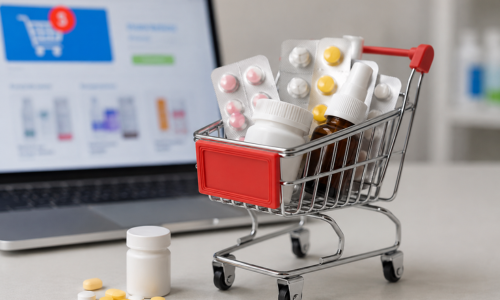
Baymard Institute’s long-running research across industries puts the average online cart abandonment rate at just under 70%. Pharmacy and healthcare e-commerce tends to sit at the higher end of that range, for reasons specific to the category:
- Insurance and co-pay friction: Shoppers exit mid-checkout to confirm insurance coverage or co-pay amounts before committing.
- Prescription verification delays: Orders requiring a valid prescription or doctor confirmation introduce a wait state that a generic checkout flow isn’t built to handle.
- Price comparison across pharmacies: Chronic-care patients routinely compare a handful of pharmacies for the same SKU, especially for high-cost maintenance medication.
- Refill timing mismatches: A patient may add a refill to cart weeks before they actually need it, then abandon simply because it’s too early.
Standard e-commerce remarketing a single triggered email 24 hours after abandonment doesn’t account for any of this. It treats a life-saving maintenance drug the same as an impulse add-on, and it treats “not ready yet” the same as “changed my mind.”
What a CDP Actually Adds
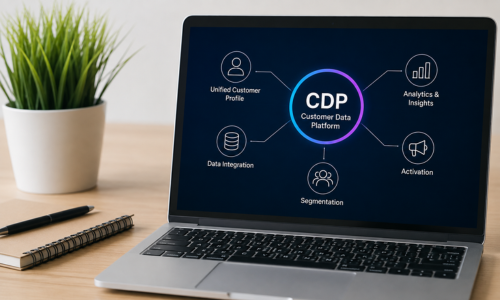
A Customer Data Platform unifies data across disconnected pharmacy systems. This includes e-commerce carts, pharmacy management systems, order and refill history, loyalty or subscription data, insurance/PBM data, and engagement across email, SMS, and apps.
Identity resolution connects these signals to a single patient or caregiver profile. It works even when they use different identifiers across the website, app, and call center.
That unified profile is what makes abandoned-cart recovery precise instead of generic. Concretely, a CDP enables three things a standard email marketing tool can’t:
1.Segmentation by medication type and urgency, not just cart value
An abandoned cart with insulin or a blood-thinner refill needs a different response than one with a skincare product. The timing and tone of outreach should reflect the product type.
A CDP can apply this segmentation automatically using SKU- and category-level data. Marketers do not need to create separate rules for each product line.
2.Real-time trigger based on behavior, not a fixed delay
A CDP ingests events in real time. It can tell if a shopper abandoned at payment or prescription upload. Payment abandonment signals high intent and possible friction. Prescription-upload abandonment may mean the shopper needs help uploading the prescription. In that case, a simple upload reminder may work better than a discount.
3.Next Best Action across channels, not a single email
Rather than a static email sequence, the CDP’s decisioning layer can select the next best channel and message for each patient SMS for a time-sensitive refill, WhatsApp for a caregiver managing a parent’s medication, push notification for an app user, email for a first-time browser based on which channel that individual has actually responded to before.
A Practical Recovery Framework
Most pharmacy brands using a CDP for cart recovery build around a tiered response, driven by what’s actually in the cart:
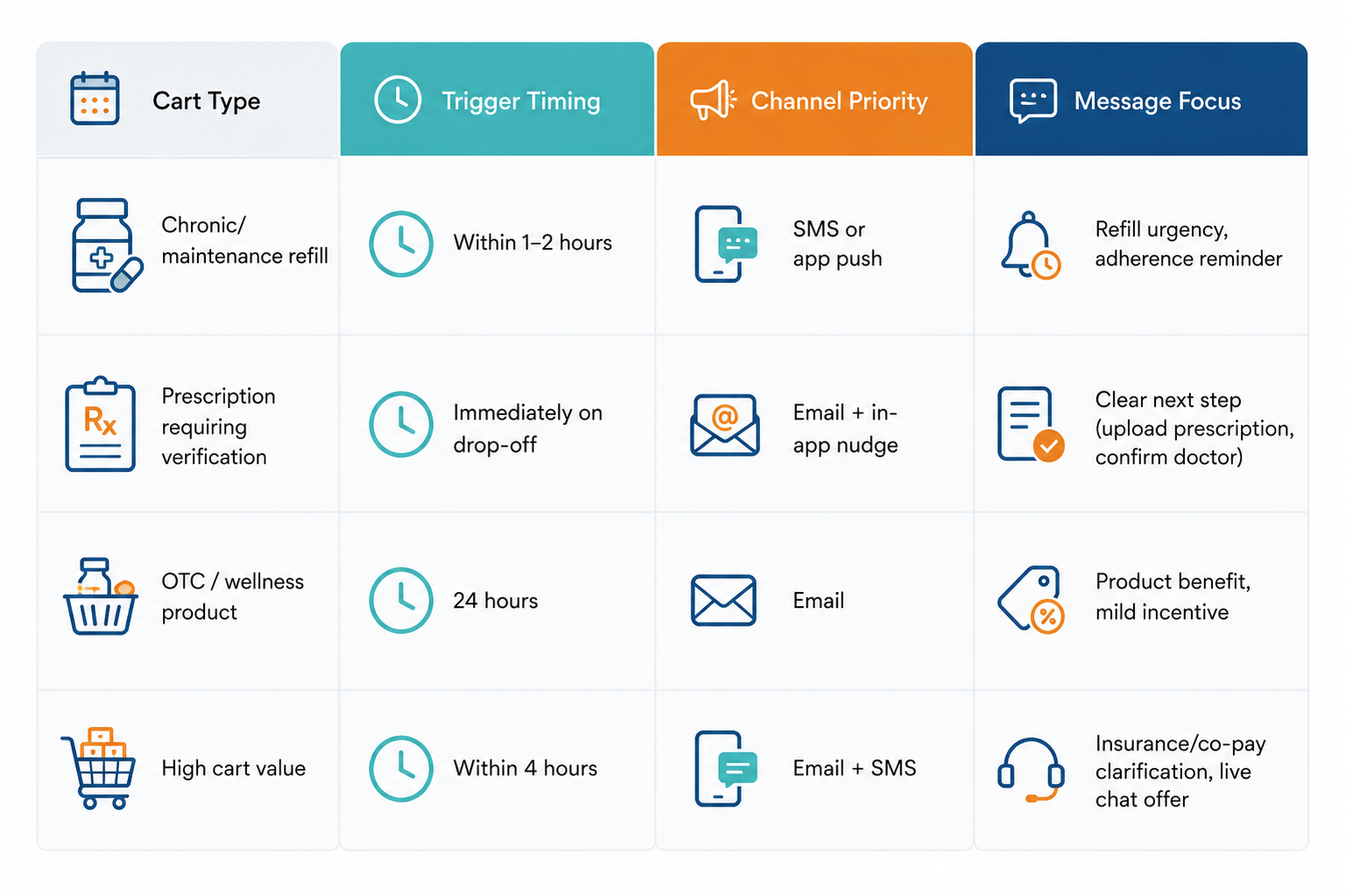
The point isn’t the specific timing it’s that the CDP makes tiering possible in the first place, because it knows what’s in the cart, who the patient is, and what has worked for similar patients before.
Beyond Recovery: Using CDP Data for Adherence, Not Just Conversion
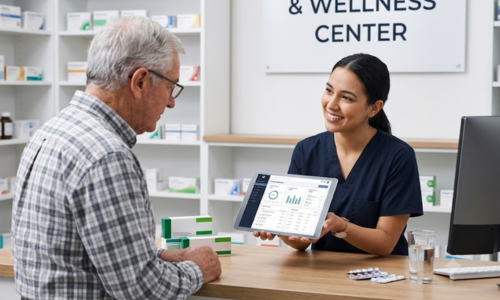
The most effective pharmacy CDP programs don’t stop at “recover the sale.” A CDP can track refill history and adherence patterns. It can flag when a patient’s refill cycle is about to lapse, even before a cart is created. For example, if a patient typically refills every 30 days but hasn’t ordered by day 33, the CDP can trigger a proactive reminder.
This shifts cart recovery into a broader adherence and retention strategy. That matters more for pharmacy businesses because an adherent patient drives repeat, predictable revenue over time not just one recovered transaction.
Data Privacy Is Not Optional in This Category

Any pharmacy CDP implementation has to account for health data sensitivity from day one. In the US, protected health information tied to prescriptions falls under HIPAA; in India, the Digital Personal Data Protection (DPDP) Act 2023 and existing IT Rules governing sensitive personal data apply to health-related information collected online. This has direct implications for how a CDP is deployed:
- Consent capture and management need to be built into the identity resolution layer itself, not bolted on afterward.
- Segmentation logic involving medication categories should avoid exposing the specific condition in outward-facing messaging (an SMS shouldn’t say “your diabetes medication” where a shared device or notification preview could expose it).
- Data residency and access controls matter more here than in general retail CDP deployments, particularly for composable CDP architectures where data can stay within the pharmacy’s own warehouse rather than being copied into a third-party system.
This last point is why composable CDP architecture where identity resolution and decisioning run directly on a pharmacy’s existing data warehouse has particular relevance for healthcare and pharmacy brands: it reduces the number of places sensitive health-adjacent data has to live.
What to Look For in a CDP for Pharmacy Cart Recovery

Not every CDP is built for this level of nuance. Pharmacy and healthcare marketing teams evaluating a platform should specifically check for:
- Entity-level identity resolution that can link a patient across web, app, and offline pharmacy systems without relying solely on cookies or email match
- Native support for SKU/category-level segmentation, not just cart-value segmentation
- Real-time event ingestion so triggers can fire on behavior (checkout step, prescription upload status) rather than fixed time delays
- A Next Best Action or decisioning engine that selects channel and message per individual, rather than running one static sequence for everyone
- Consent and data governance controls suited to health-adjacent data, ideally with the option to keep data within the brand’s own infrastructure

Leave a Reply