Enterprise marketing has entered an era defined by data abundance and rising customer expectations. Organizations have invested heavily in Customer Data Platform (CDP), analytics tools, and artificial intelligence (AI) to better understand and engage their audiences. Yet despite these advancements, a critical gap persists.
Marketers today are not struggling to collect data; they are struggling to use it effectively in real time.
Customer interactions happen in milliseconds. Decisions are made in moments. Expectations for relevance and personalization are higher than ever. However, most marketing systems still operate on delayed data flows, fragmented architectures, and disconnected intelligence.
This is where Model Context Protocol (MCP) emerges not as another tool, but as a foundational shift in how AI systems interact with enterprise data.
The Core Challenge: Intelligence Without Context
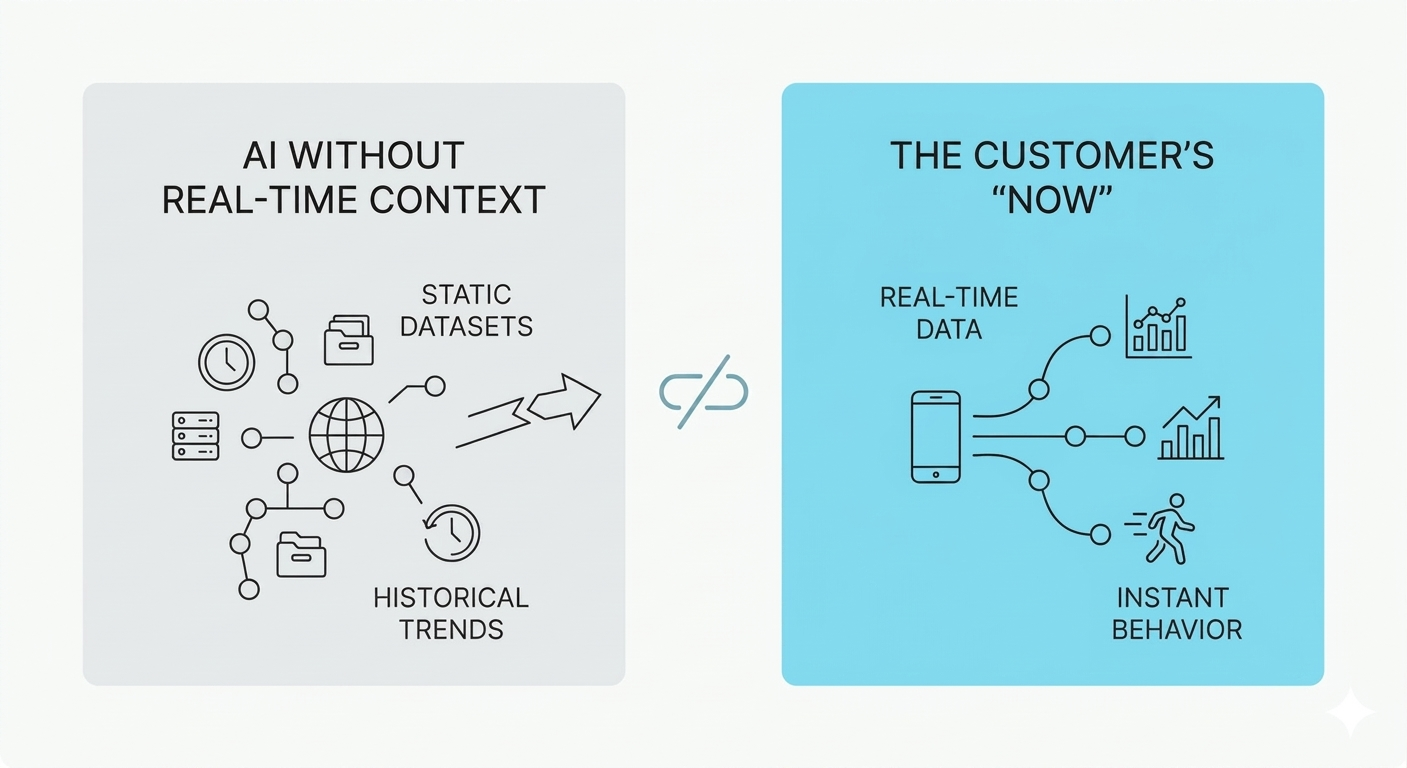
Modern AI models have become remarkably capable. They can generate content, predict behavior, and optimize campaigns at scale. But their effectiveness is fundamentally limited by one factor: context.
Without access to real-time, relevant, and comprehensive data, even the most advanced AI systems are forced to rely on:
- Static datasets
- Historical trends
- Predefined assumptions
This creates a disconnect between what the AI knows and what the customer is doing right now.
For enterprise marketers, this gap translates into:
- Personalization that feels generic
- Campaigns that arrive too late
- Missed opportunities during critical decision moments
The result is not a lack of intelligence, but a lack of connected intelligence.
Defining Model Context Protocol (MCP)
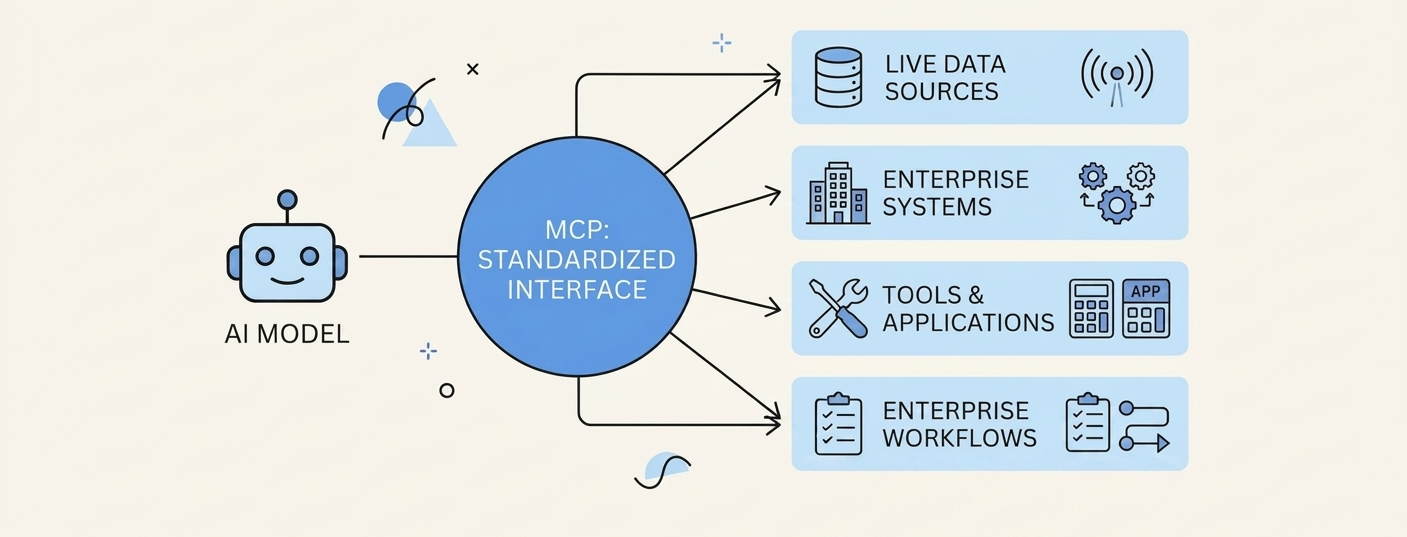
Model Context Protocol (MCP) is an open standard designed to enable AI models to securely connect with enterprise systems, tools, and live data sources.
At a functional level, MCP allows AI systems to:
1. Retrieve real-time data from multiple sources
2. Access unified customer profiles dynamically
3. Interact with enterprise workflows and applications
4. Execute actions based on current context
In essence, MCP acts as a standardized interface between AI models and business ecosystems.
Rather than operating in isolation, AI becomes an integrated component of the enterprise environment capable of understanding and responding to live conditions.
Why MCP Matters: Bridging a Critical Gap
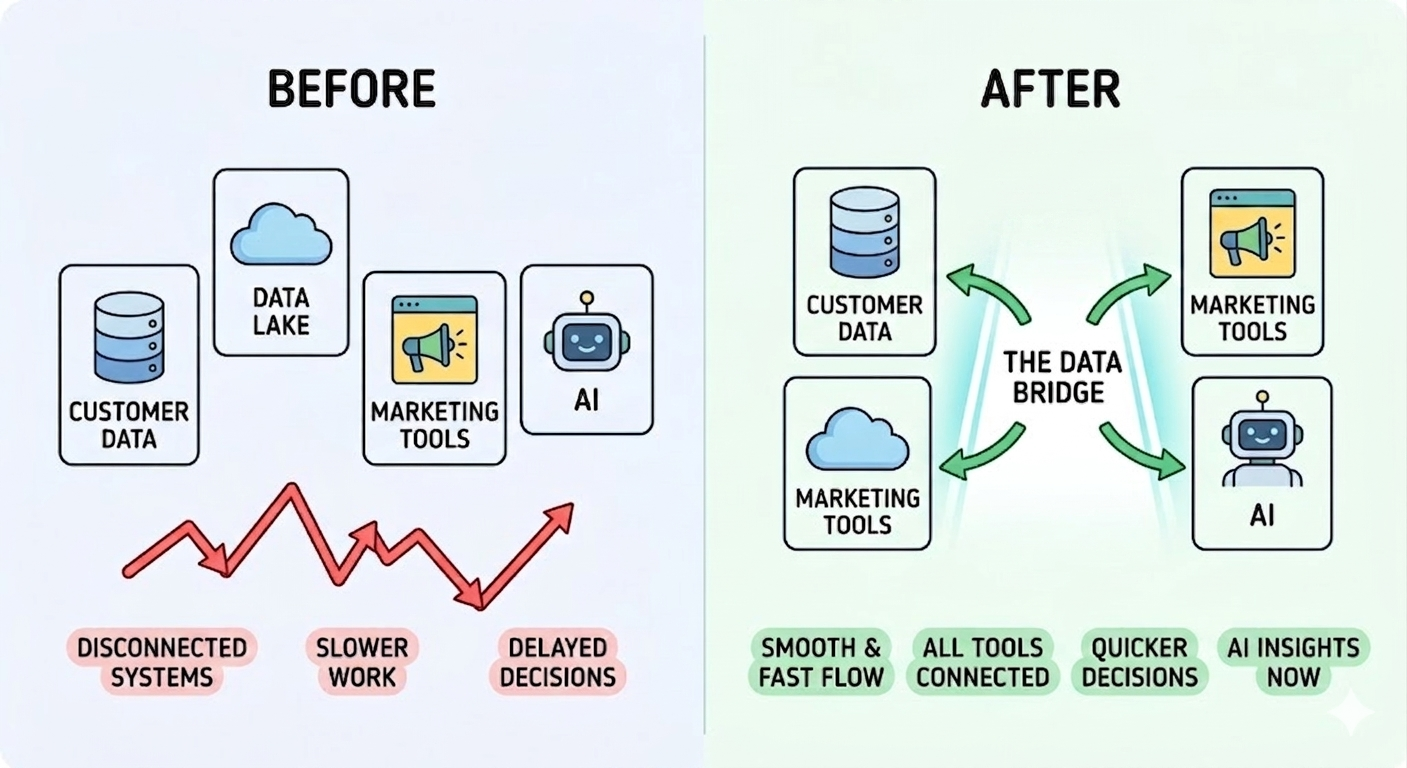
To understand the importance of MCP, it is useful to examine the current architecture of most enterprise marketing stacks.
Typically, organizations rely on:
Customer Data Platforms (CDPs) to collect and unify data
Data warehouses or lakes to store large-scale datasets
Marketing automation tools to execute campaigns
AI models to generate insights or predictions
While each component is powerful individually, they are often loosely connected. Data flows between them are:
- Delayed
- Batch-processed
- Limited in accessibility
MCP addresses this fragmentation by creating a real-time, standardized communication layer.
This enables:
i. Immediate data access for AI models
ii. Consistent interaction across systems
iii. Faster, more accurate decision-making
The shift is subtle but significant: from data availability to data accessibility in context.
The Role of MCP in Modern Marketing Architectures
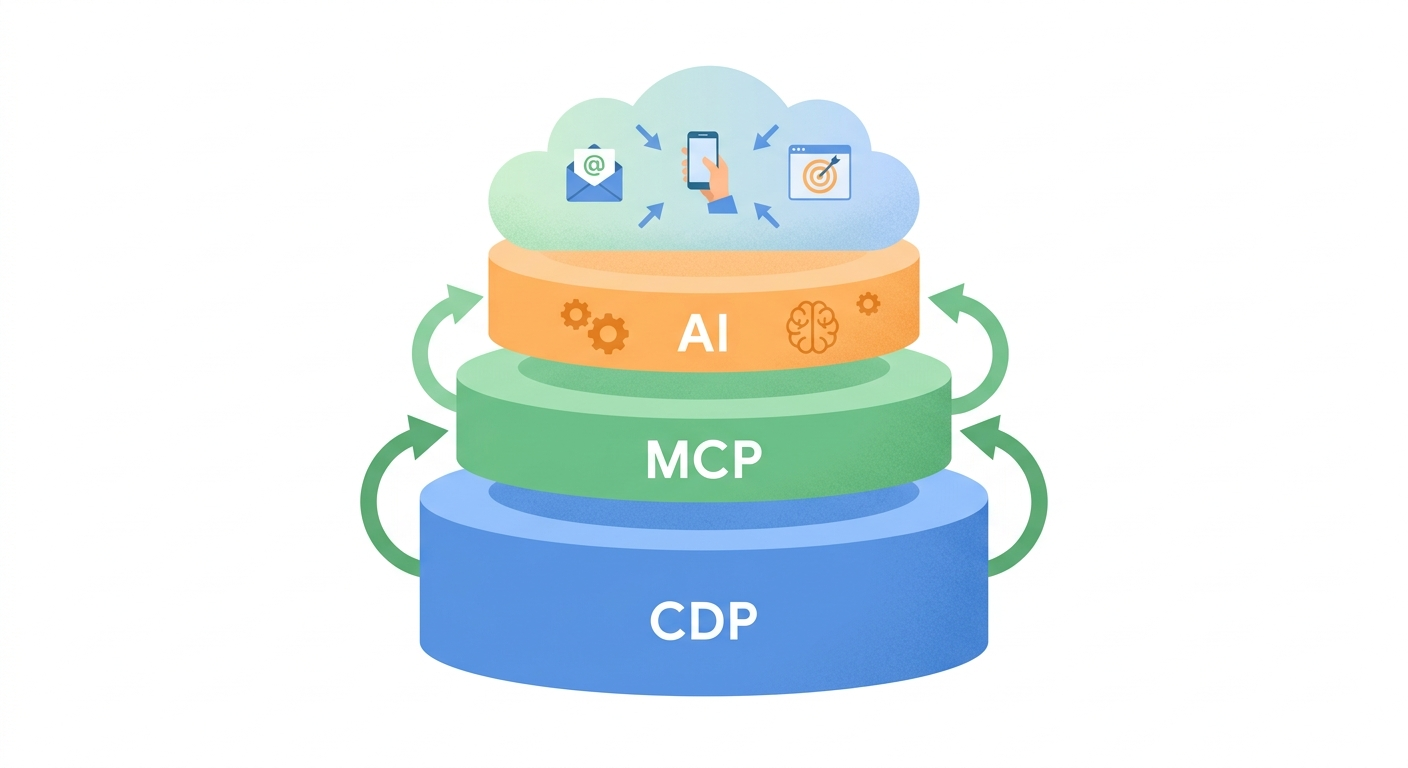
MCP does not replace existing systems, it enhances them.
Consider the relationship between MCP and a CDP:
- A CDP aggregates and organizes customer data into unified profiles
- MCP enables AI systems to access and use that data dynamically
In this architecture:
- The CDP serves as the source of truth
- MCP acts as the access layer
- AI functions as the decision engine
This layered approach transforms static data repositories into active, decision-ready systems.
Key Benefits for Enterprise Marketers
1. Real-Time Personalization at Scale
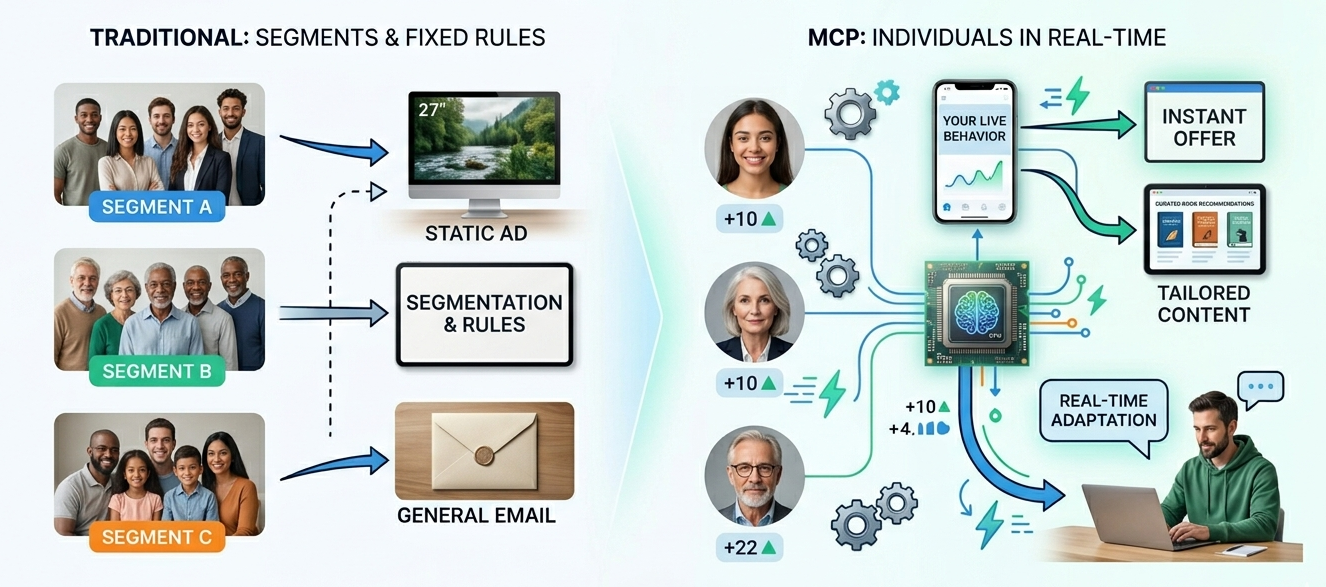
Traditional personalization relies on segmentation and predefined rules. While effective to a degree, it lacks responsiveness.
With MCP:
- AI models can access live behavioral signals
- Real time Personalization adapts instantly to user actions
- Experiences become dynamic rather than predefined
This allows marketers to move beyond “targeting segments” toward responding to individuals in real time.
2. Improved Decision Accuracy
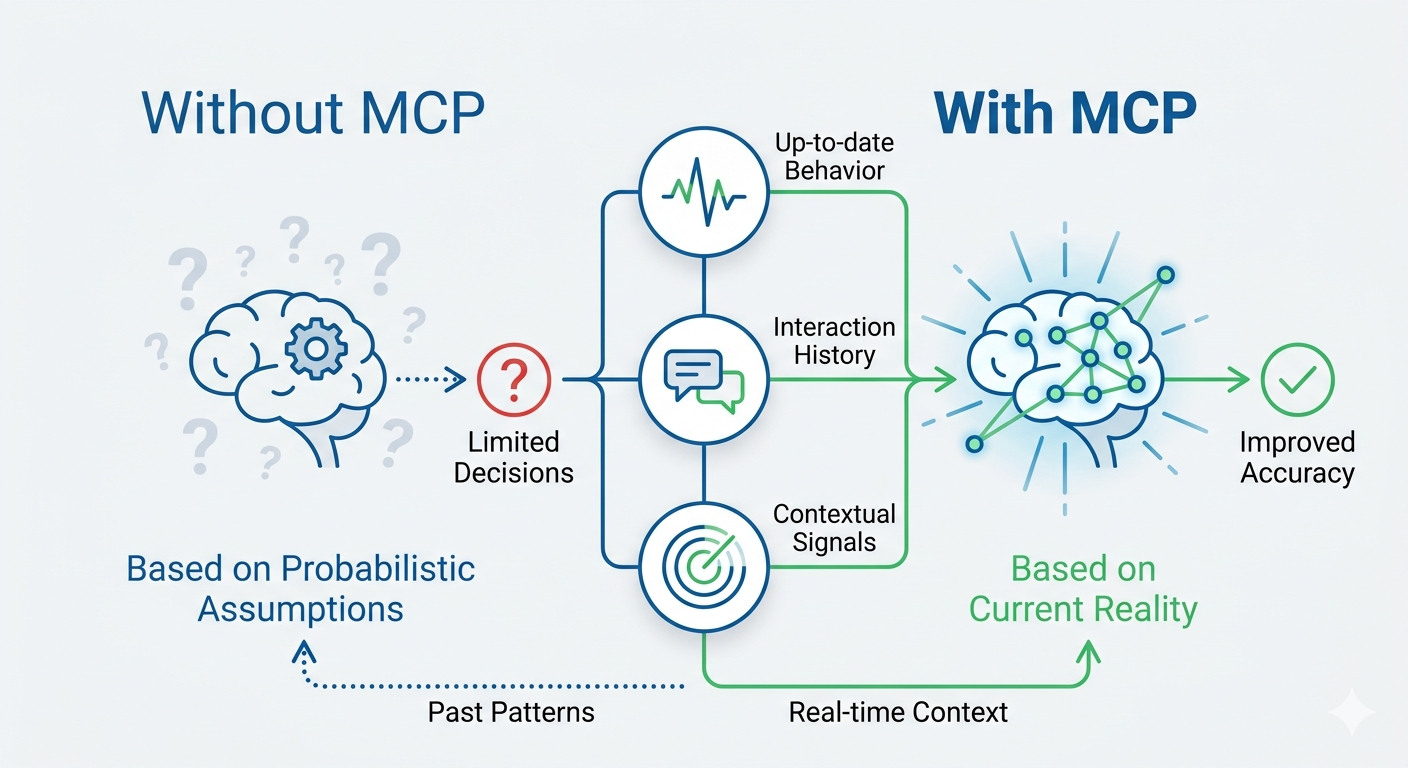
AI systems without real-time context are limited to probabilistic assumptions.
MCP enhances accuracy by providing:
- Up-to-date customer behavior
- Current interaction history
- Relevant contextual signals
As a result, decisions are based on current reality rather than past patterns.
3. Faster Time-to-Action
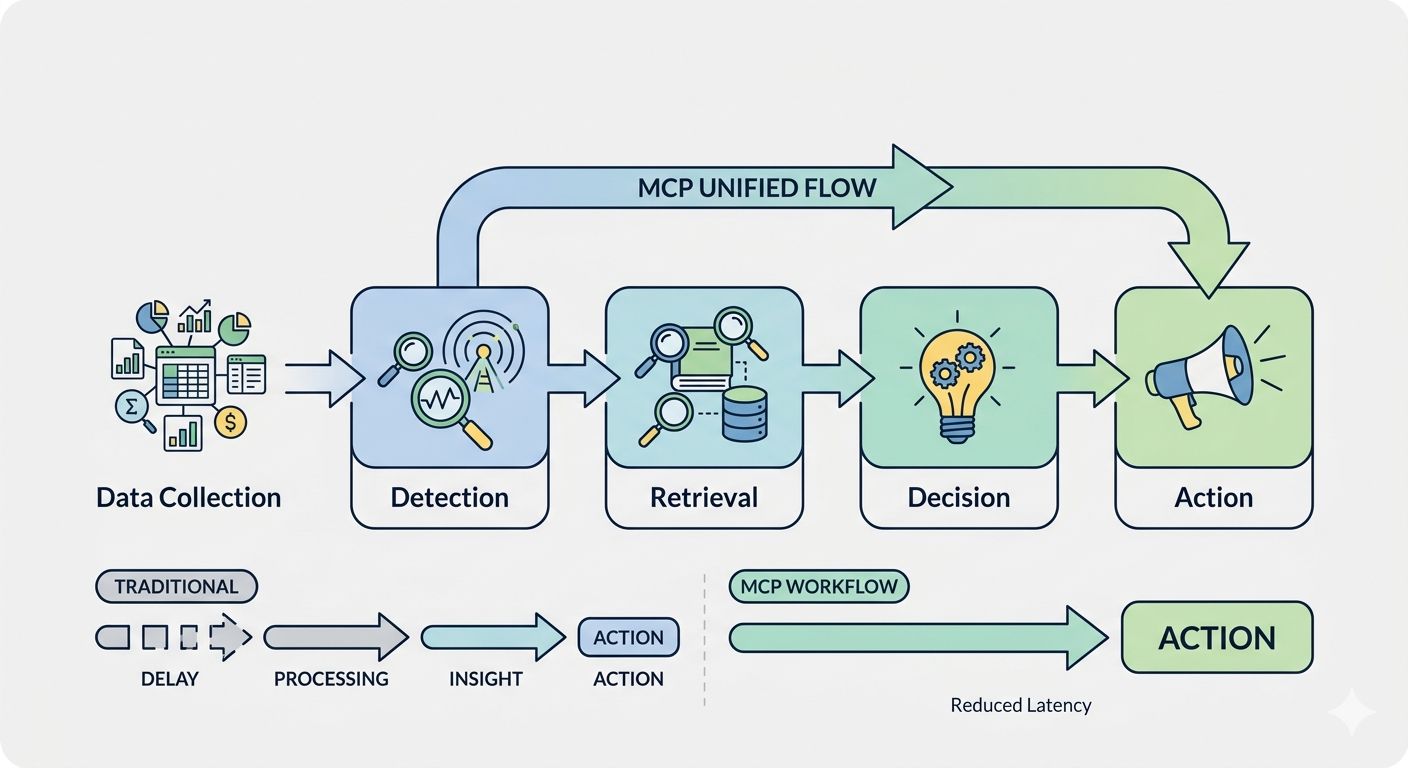
In traditional workflows, there is often a delay between:
1. Data collection
2. Data processing
3. Insight generation
4. Action execution
MCP compresses this cycle significantly.
AI can:
- Detect signals
- Retrieve context
- Make decisions
- Trigger actions
all within a unified flow.
This reduces latency and ensures that marketing actions align with live customer intent.
4. Seamless Integration Across Systems
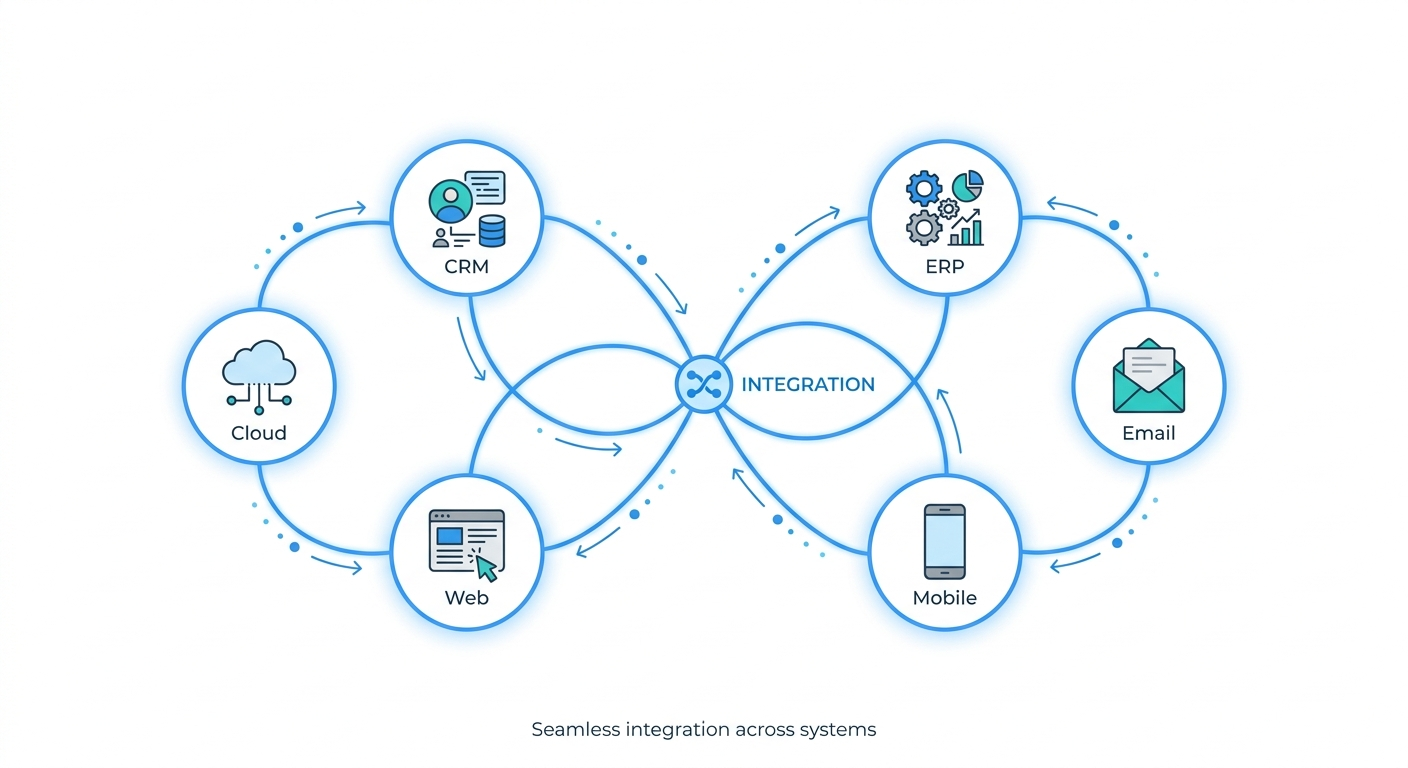
Enterprise environments are inherently complex, with multiple tools serving different functions.
MCP introduces:
- A standardized method for data exchange
- Reduced reliance on custom integrations
- Greater interoperability between systems
- Support for low-code/API-based activation, enabling faster deployment and easier orchestration of marketing workflows
5. Enhanced Customer Experience
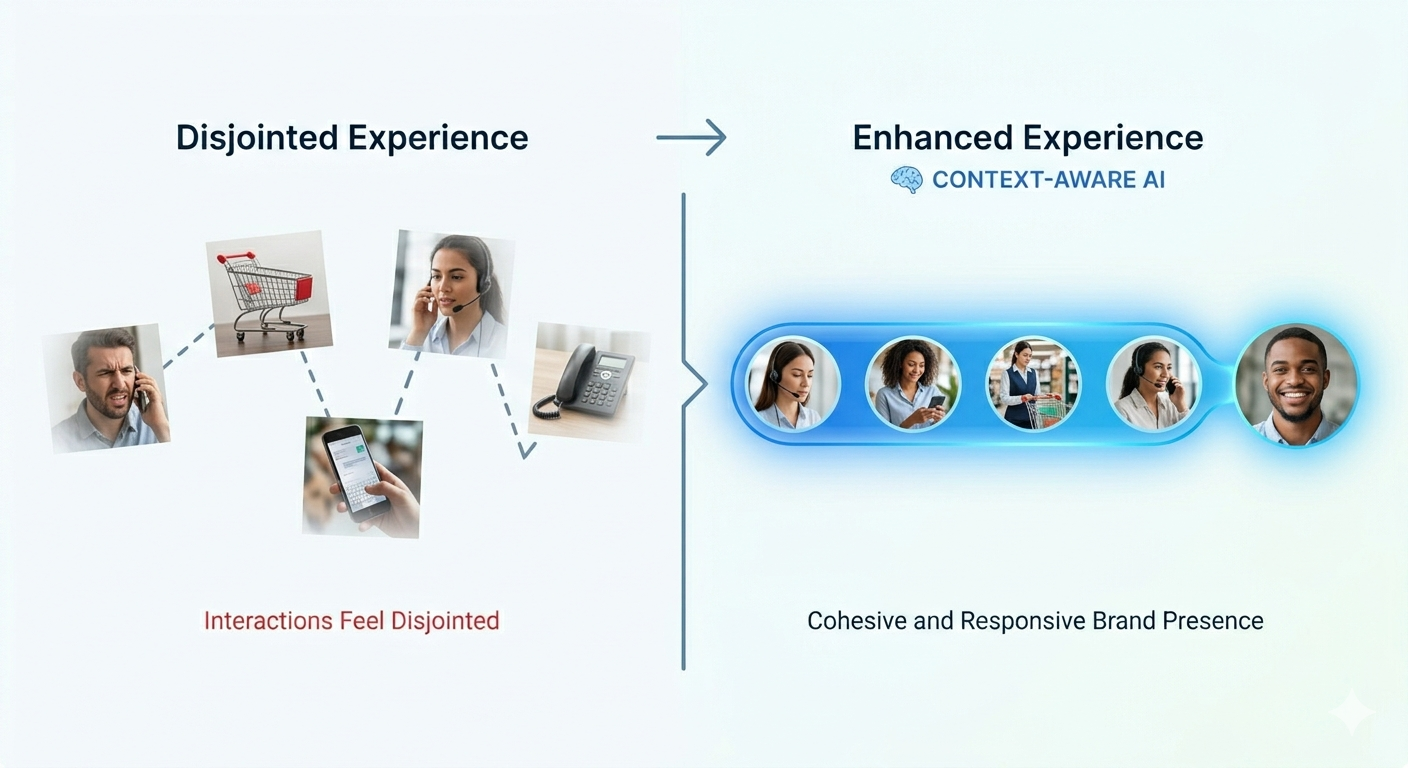
Ultimately, the value of MCP is reflected in the customer experience.
With context-aware AI:
i. Interactions feel timely and relevant
ii. Messaging aligns with user intent
iii. Friction across the journey is minimized
Customers no longer experience disjointed interactions; they experience a cohesive and responsive brand presence.
Strategic Implications for Enterprises
The adoption of MCP signals a broader transformation in marketing strategy.
From Campaigns to Continuous Engagement
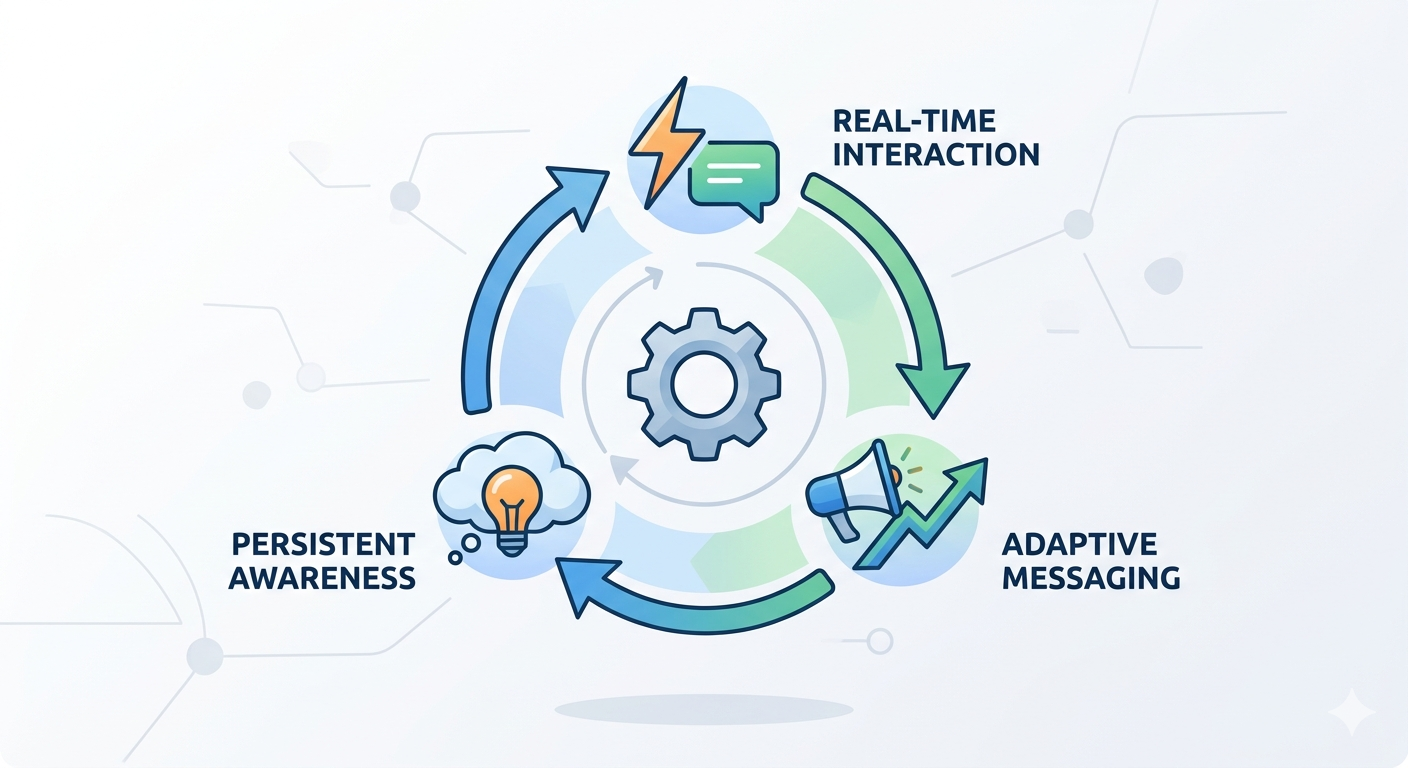
Marketing is shifting away from discrete campaigns toward continuous, always-on engagement models.
MCP enables this by supporting:
- Real-time interaction management
- Adaptive messaging strategies
- Persistent customer awareness
From Data Collection to Data Activation

Collecting data is no longer a differentiator.
The competitive advantage lies in:
- Activating data instantly
- Applying it within the right context
- Driving immediate outcomes
MCP plays a central role in this transition.
From Isolated Intelligence to Connected Intelligence
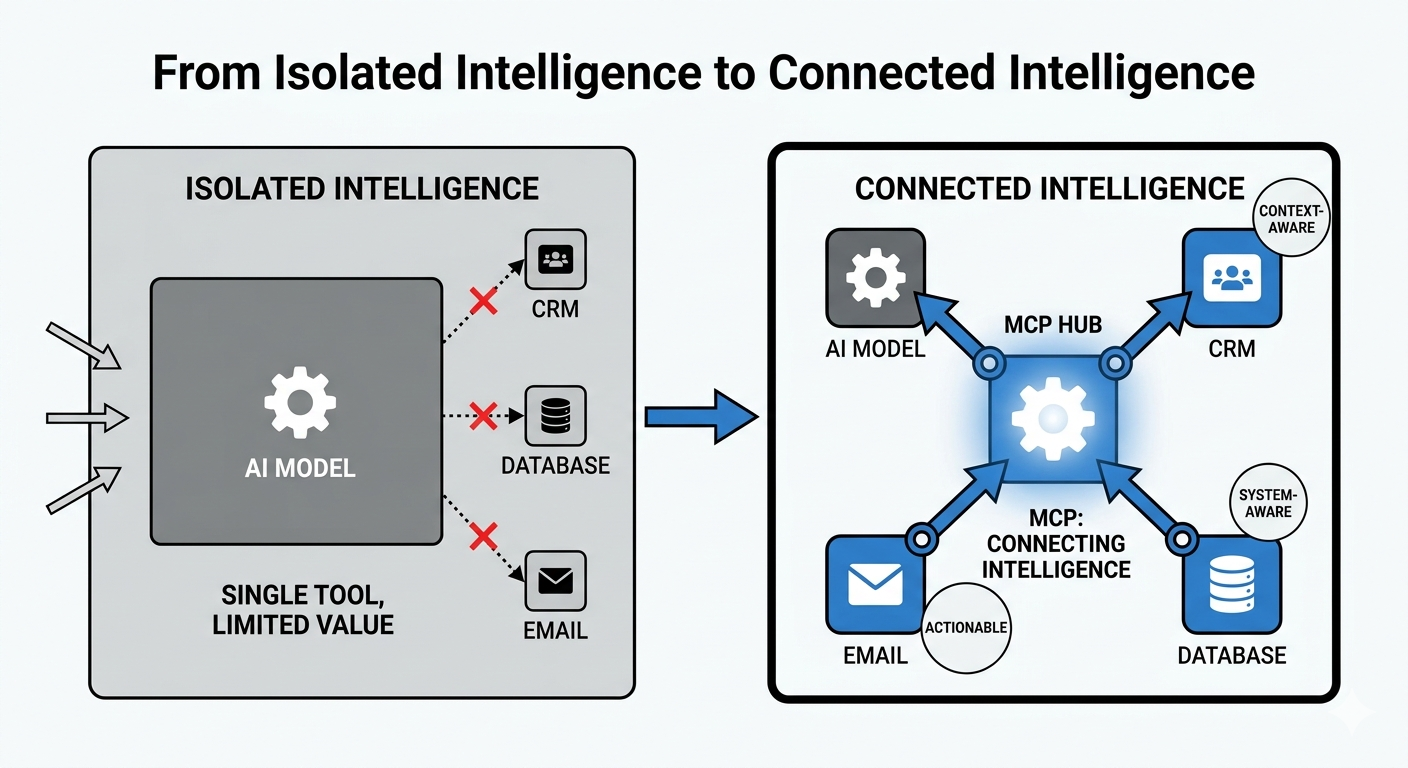
AI models are most effective when they are deeply integrated into business systems.
MCP ensures that intelligence is:
- Context-aware
- System-aware
- Actionable
This transforms AI from a supporting tool into a core operational capability.
Potential Challenges and Considerations
While MCP offers significant advantages, its implementation requires careful planning.
Organizations must consider:
i. Data governance and security: Ensuring that real-time access does not compromise sensitive information
ii. Infrastructure readiness: Supporting low-latency data access across systems
iii. Standardization efforts: Aligning internal systems with MCP protocols
iv. Change management: Adapting teams and processes to real-time operations
Addressing these factors is essential for realizing the full value of MCP.
Looking Ahead: The Future of Context-Aware Marketing

As AI continues to evolve, the importance of context will only increase.
Future marketing ecosystems will likely be defined by:
- Real-time decision engines
- Autonomous campaign optimization
- Deep integration between data, AI, and execution layers
In this environment, MCP is not simply an enhancement, it is a foundational requirement.
Organizations that adopt context-aware architectures early will be better positioned to:
- Deliver differentiated experiences
- Respond to market changes rapidly
- Maintain a competitive edge
Closing Perspective
Enterprise marketing has reached a point where data is no longer the constraint.
The true limitation lies in how effectively that data is connected, accessed, and applied.
Model Context Protocol addresses this limitation directly. It enables AI to move beyond static intelligence and operate with real-time awareness transforming how decisions are made and experiences are delivered.
The implication is clear:
In a landscape where speed, relevance, and personalization define success, context is not optional, it is foundational.
This is where Lemnisk becomes relevant. By enabling seamless alignment between customer data, AI, and real-time decisioning, Lemnisk empowers enterprises to move beyond delayed, fragmented interactions and deliver experiences that adapt continuously to customer behavior. In a landscape where timing and relevance define success, the ability to act on context in the moment is what ultimately separates market leaders from the rest.

Leave a Reply