The electric vehicle (EV) market isn’t just growing. It’s evolving into a fully connected ecosystem where every interaction, from the first app download to daily charging habits, generates valuable data. For EV brands, this creates a massive opportunity: not just to sell vehicles, but to build long-term, intelligent relationships with customers.
However, this opportunity comes with a challenge—data is scattered across platforms. Customer information lives in CRMs, charging behavior sits in separate systems, vehicle data flows through telematics, and marketing teams often operate in silos.
A Customer Data Platform (CDP) changes this completely. By bringing all this fragmented data into one unified view, a CDP allows EV brands to understand, engage, and retain customers across their entire journey.
The Shift: From Transactions to Relationships
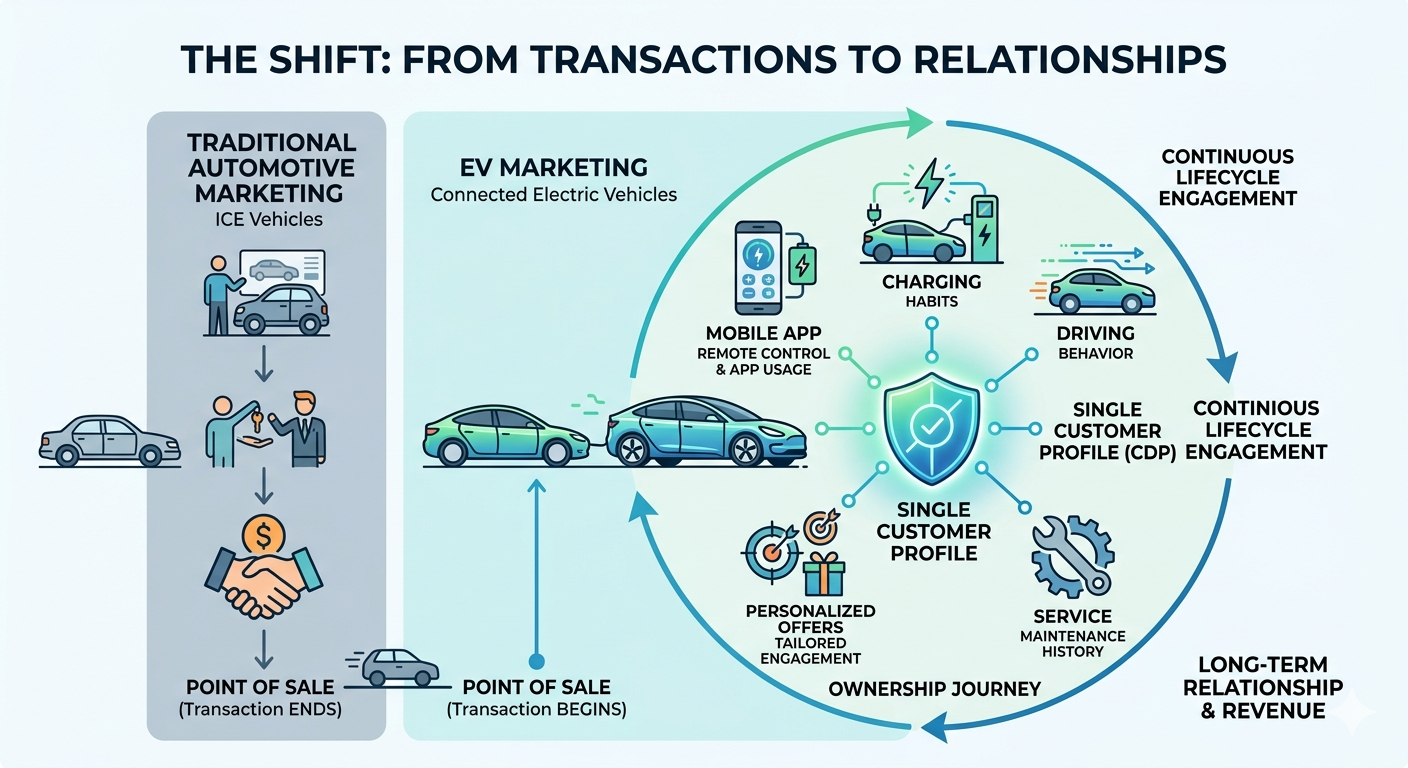
Traditional automotive marketing ends at the point of sale. EV marketing begins there.
Unlike internal combustion engine vehicles, EVs are connected, software-driven products. Customers interact continuously—with mobile apps, charging stations, and in-car systems. This means brands now have the ability to engage customers throughout ownership—but only if they can actually understand the data being generated.
A CDP enables this shift by creating a single, real-time customer profile that combines:
- Purchase and demographic data
- Digital interactions (apps, websites, campaigns)
- Charging and driving behavior
- Service and maintenance history
- This unified view becomes the foundation for personalized, lifecycle-driven engagement.
Onboarding: Turning Buyers into Confident EV Users
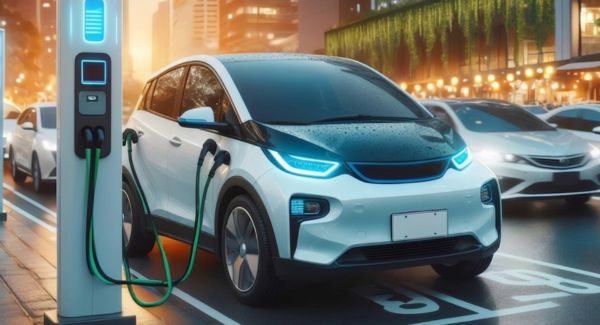
The onboarding phase is one of the most critical—and most overlooked—stages in the EV customer journey. Many first-time EV buyers are unfamiliar with concepts like charging infrastructure, battery optimization, or software features. Without proper guidance, this confusion can quickly turn into frustration.
A CDP allows brands to design structured, personalized onboarding journeys that adapt to each customer’s needs. Instead of relying on generic communication, onboarding becomes behavior-driven and contextual.
A typical onboarding journey may include:
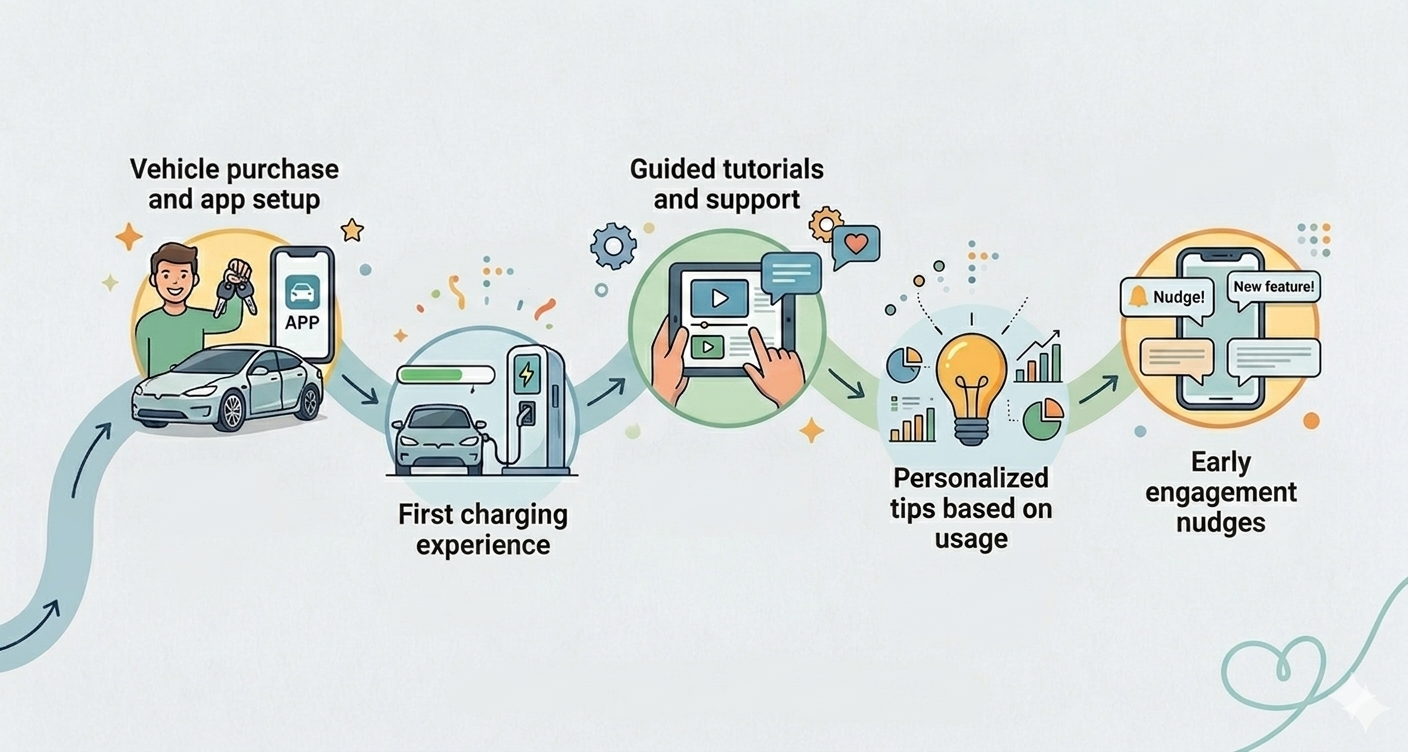
1. Vehicle purchase and app setup
2. First charging experience
3. Guided tutorials and support
4. Personalized tips based on usage
5.Early engagement nudges
This kind of intelligent onboarding ensures that customers don’t feel lost after purchase. Instead, they feel supported, informed, and confident in their decision—laying the foundation for long-term engagement.
Charging Behaviour: The Heart of EV Personalization
Charging behavior is one of the most powerful indicators of how customers actually use their vehicles. It reflects habits, preferences, and even lifestyle patterns.
Some users charge at home overnight, while others rely heavily on public infrastructure. Some prefer fast charging for long-distance travel, while others charge infrequently due to low usage.
Without a CDP, this data remains isolated and underutilized. With a CDP, it becomes a goldmine for personalization.
By analyzing charging patterns, EV brands can segment customers into meaningful groups through audience segmentation and tailor their communication accordingly
For example:
- Home charging users (convenience-focused)
- Public charging users (infrastructure-dependent)
- Fast-charging users (frequent travelers)
- Low-usage users (infrequent charging patterns)
A customer who frequently uses public charging stations might receive recommendations for home charging solutions, while a frequent fast-charging user could be offered subscription plans or loyalty rewards.
More importantly, this personalization feels relevant rather than intrusive. Customers receive communication that aligns with their real-world behavior, making every interaction more useful and engaging.
Charging data also enables real-time engagement. If a user repeatedly experiences failed charging attempts, the system can trigger proactive support. If a customer is traveling, location-based suggestions can guide them to nearby charging stations.
This transforms marketing from static messaging into a dynamic, context-aware experience.
Lifecycle Marketing: Building Long-Term Value
In the EV space, the relationship with the customer doesn’t end after purchase—it evolves over time. This is where lifecycle marketing becomes essential.
Lifecycle marketing focuses on engaging customers across every stage of their journey, from initial awareness to long-term ownership and eventual upgrades. A CDP plays a central role in enabling this by connecting data across all touchpoints and triggering actions based on customer behavior, further enhanced by real-time predictive scoring to anticipate customer needs and future behaviors.
A typical lifecycle journey includes:
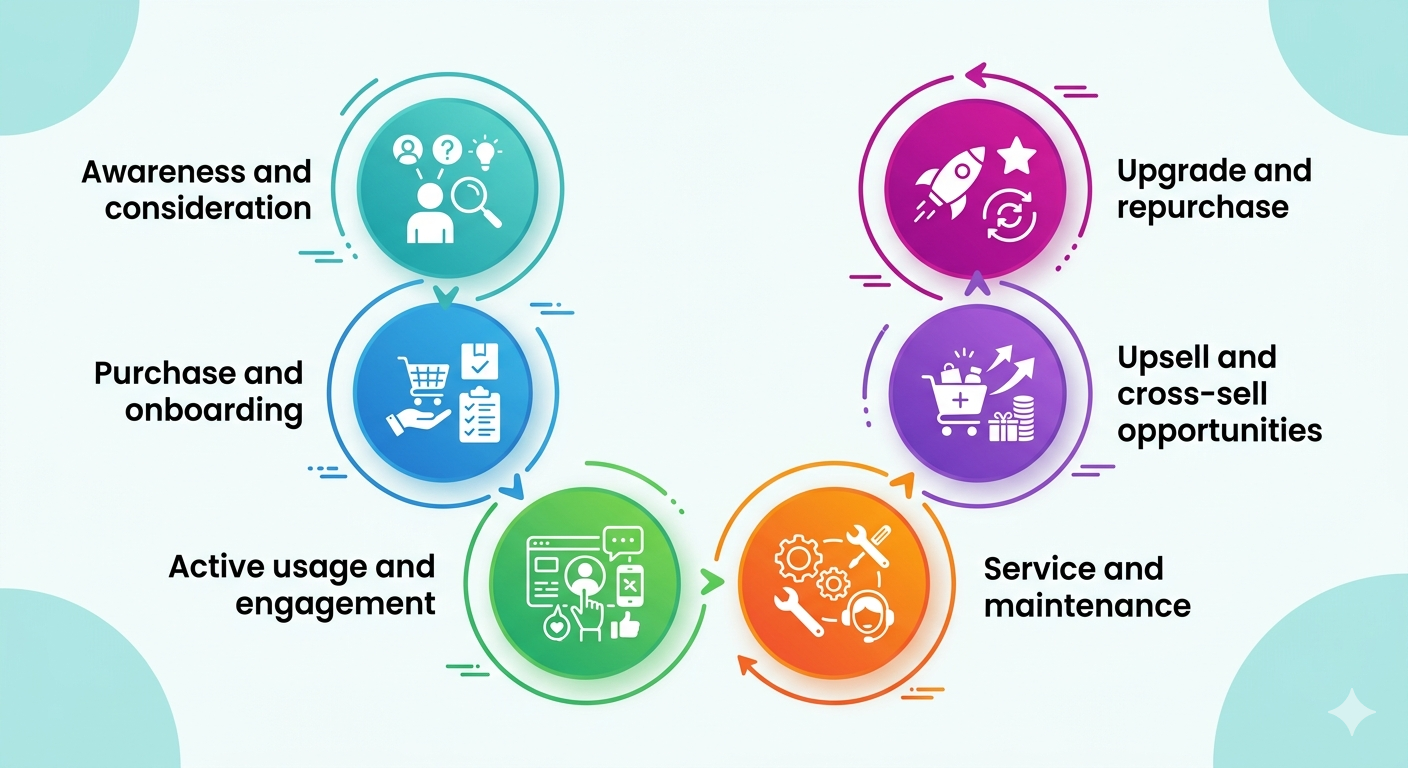
- Awareness and consideration
- Purchase and onboarding
- Active usage and engagement
- Service and maintenance
- Upsell and cross-sell opportunities
- Upgrade and repurchase
During ownership, brands can send battery health updates, maintenance reminders, and software upgrade notifications. These interactions are not just promotional—they provide real value to the customer.
As the relationship matures, brands can introduce upsell opportunities such as premium features, charging subscriptions, or extended warranties. Because these offers are based on actual usage patterns, they feel personalized rather than forced.
Eventually, when the customer is ready for an upgrade, the CDP can identify the right moment to introduce trade-in offers or new models. This ensures that marketing efforts are timely, relevant, and effective.
The result is a continuous engagement loop where customers remain connected to the brand throughout their ownership journey.
Moving Beyond Campaigns
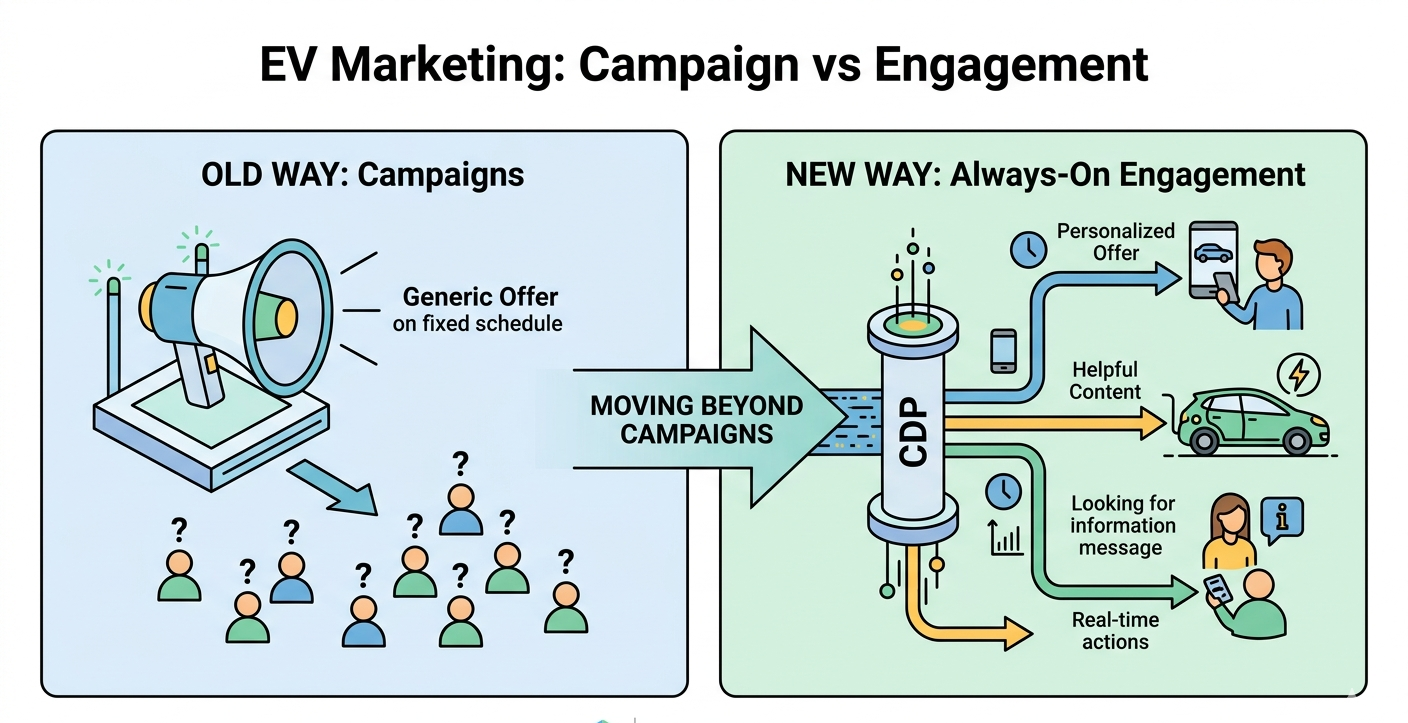
Traditional marketing relies on campaigns—fixed, time-bound efforts aimed at broad audiences.
CDP-powered EV marketing moves beyond this model. It enables always-on engagement, where communication is triggered by real-time behavior rather than predefined schedules.
Instead of sending the same message to thousands of customers, brands can deliver personalized experiences to individuals. Instead of reacting to problems, they can anticipate them.
This shift is critical in an industry where customer expectations are shaped by digital-first experiences. EV users expect convenience, personalization, and responsiveness—and a CDP makes this possible.
Building the Foundation
To fully leverage a CDP, EV brands must integrate multiple data sources into a unified system, including CRM platforms, mobile applications, telematics data, charging infrastructure, and customer support channels.
The goal is to create a single source of truth that ensures consistency across all interactions. Whether a customer is using the app, visiting a service center, or receiving a marketing message, the experience should feel seamless and connected.
Challenges to Address
While the benefits of a CDP are clear, implementation requires careful planning. Key challenges include:
- Data fragmentation across multiple systems
- Privacy and consent management requirements
- Integration of IoT and telematics data
- Organizational alignment across teams
Despite these challenges, the long-term value of a CDP far outweighs the initial effort.
The Road Ahead
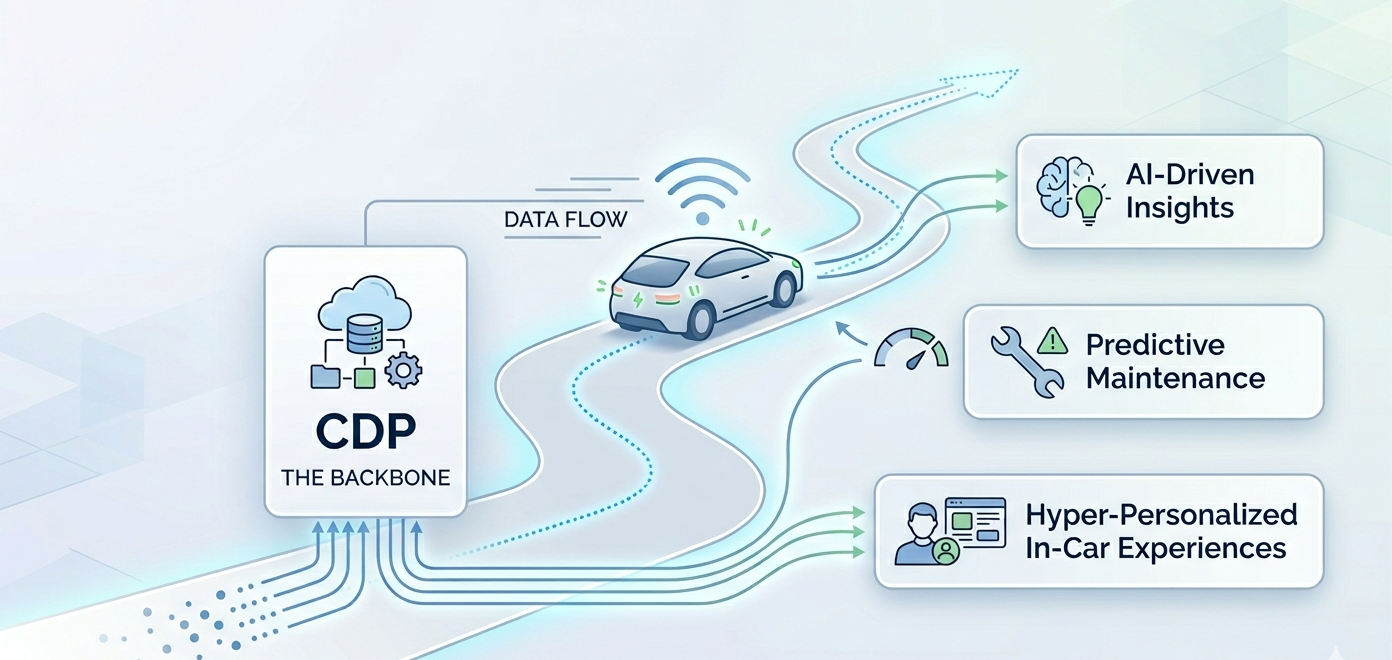
As EVs continue to evolve into software-defined vehicles, the importance of data will only increase. Future innovations will likely include AI-driven insights, predictive maintenance, and hyper-personalized in-car experiences.
A CDP will serve as the backbone of these advancements, enabling brands to turn raw data into meaningful customer experiences.
Conclusion
The EV industry is no longer just about vehicles—it is about experiences.
A Customer Data Platform empowers EV brands to deliver seamless onboarding, leverage charging behavior for personalization, and build long-term relationships through lifecycle marketing.
In a competitive and rapidly evolving market, the brands that succeed will be those that understand their customers not just at the point of sale, but throughout the entire journey.
By investing in a CDP, EV companies can move beyond transactions and create lasting connections—turning customers into loyal advocates in the process.
Lemnisk enables EV brands to unify customer and behavioral data, activate real-time insights, and deliver highly personalized experiences across the entire lifecycle, helping transform data into meaningful, long-term customer relationships.

Exceptional post!
Genuinely valued the way you highlighted this.
Can’t wait for more updates. Keep it up!