A customer opens a retail app during her morning commute and browses running shoes. A few hours later, she revisits the same category on her work laptop. That evening, she walks into a physical store, scans a QR code beside a product display, and leaves without making a purchase. Before going to bed, she opens Instagram and encounters an advertisement from the same retailer.
To the customer, these interactions feel like one continuous experience.
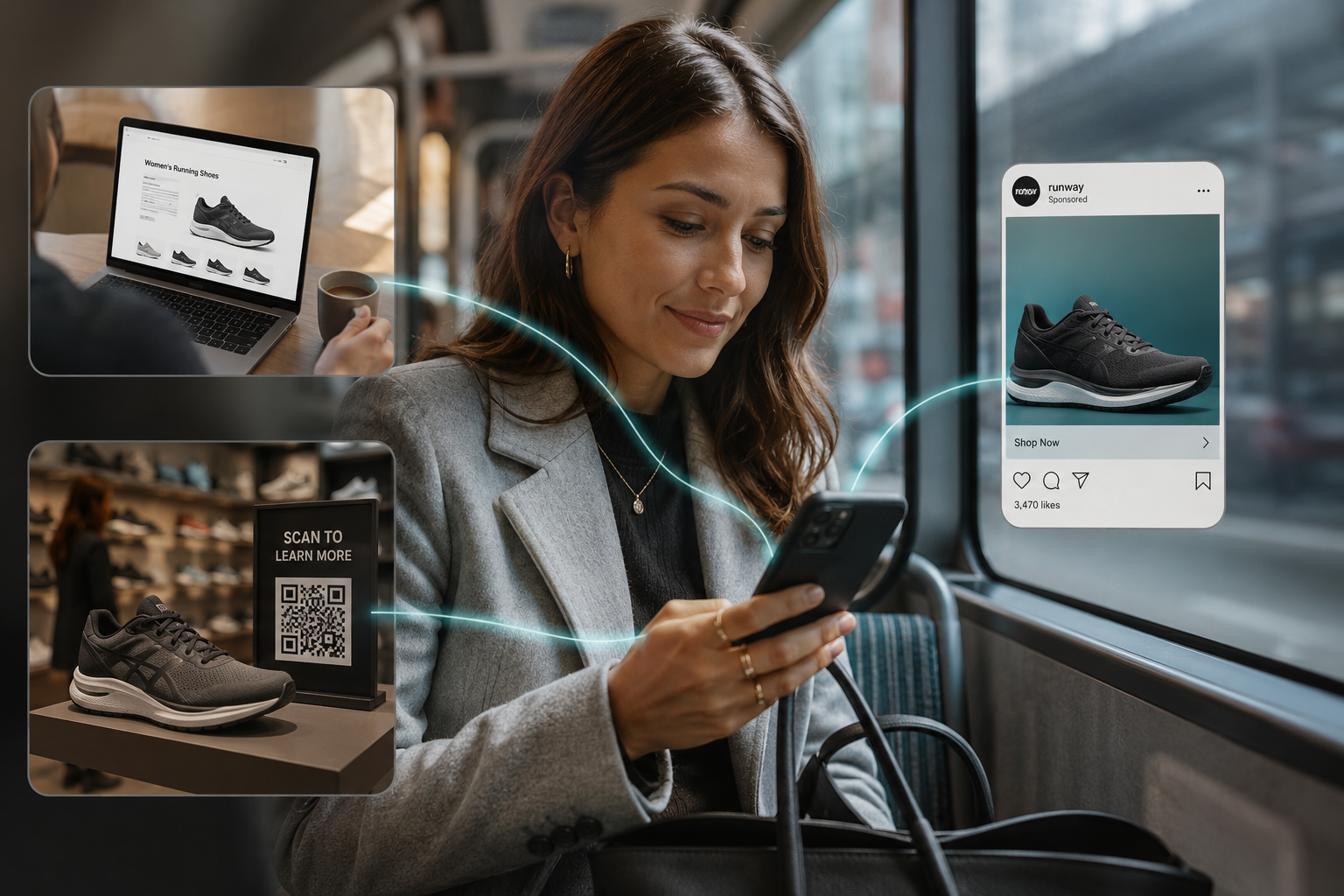
To many retailers, they still appear as four separate events.
This disconnect sits at the heart of one of retail’s biggest challenges. Customers move seamlessly between websites, mobile apps, stores, social platforms, email, messaging channels, and customer support interactions. They expect brands to recognize them, remember their preferences, and respond intelligently at every touchpoint.
Yet behind the scenes, customer data often remains fragmented across systems, departments, and channels.
The result is familiar:
- Irrelevant recommendations
- Repetitive messaging
- Disconnected customer journeys
- Missed opportunities to convert intent into action
As customer expectations continue to rise, personalization has evolved from a marketing tactic into a business imperative. The retailers leading this transformation are increasingly relying on Real-Time Customer Data Platforms (CDPs) to unify customer intelligence and activate personalized experiences across every channel.
Why Traditional Personalization No Longer Works
For years, personalization relied on demographic segments, purchase history, and scheduled campaigns. While effective in a simpler retail landscape, this approach struggles to keep pace with today’s customer behavior.
The Personalization Gap
| Traditional Personalization | Modern Customer Expectations |
| Batch data processing | Real-time responsiveness |
| Static audience segments | Dynamic intent recognition |
| Channel-specific messaging | Omnichannel consistency |
| Historical customer views | Live customer context |
| Campaign-centric marketing | Customer-centric engagement |
The challenge is not a lack of data.
Retailers have more customer information than ever before.
The challenge is timing.
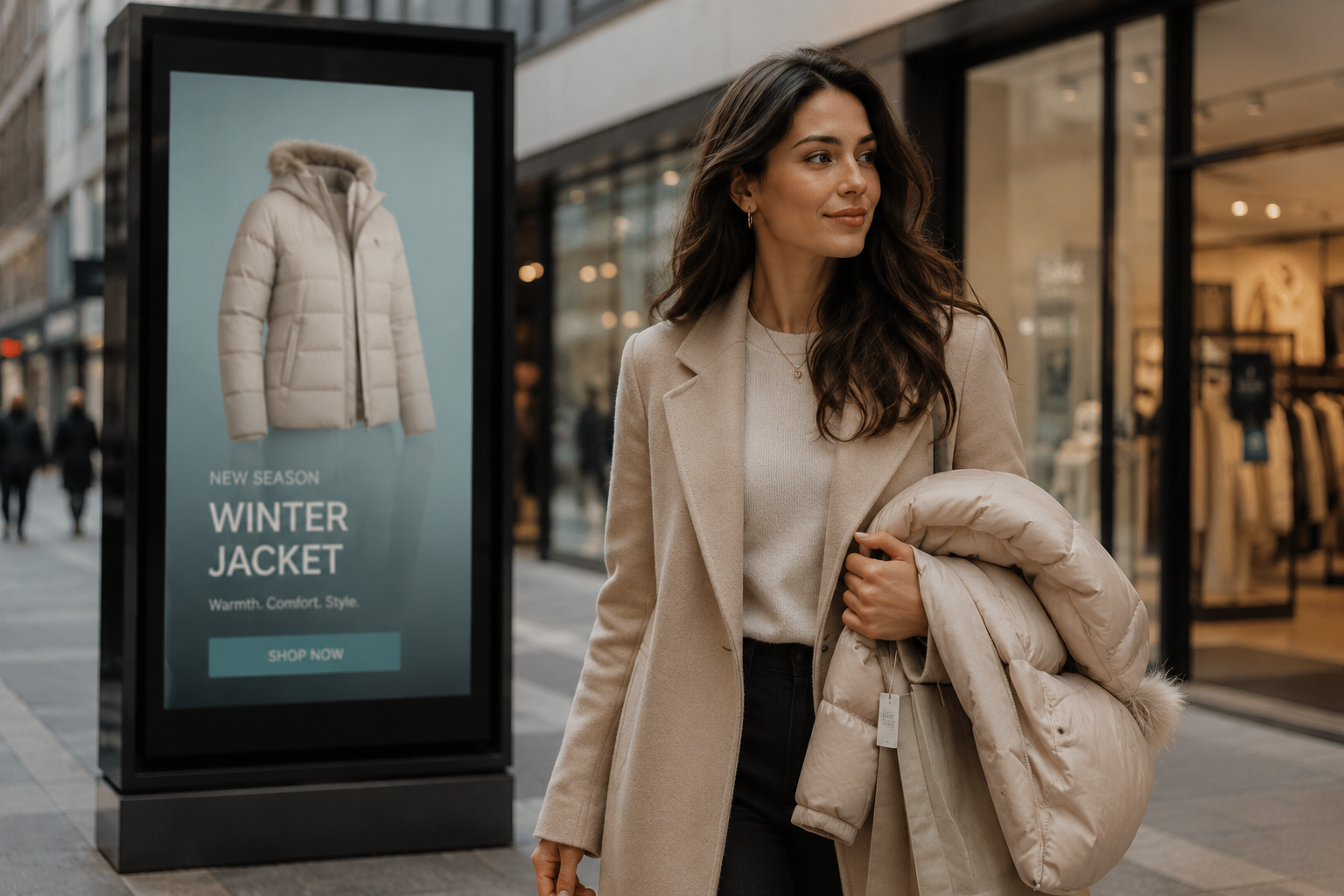
Consider these common scenarios:
- A customer abandons a shopping cart and receives a reminder email three days later—after purchasing elsewhere.
- A shopper buys a winter jacket and continues receiving ads for the exact same product.
- A loyal customer enters a store and receives the same treatment as a first-time visitor.
These are not data failures.
They are responsiveness failures.
In modern retail, relevance has an expiration date. The longer it takes to act on customer signals, the less valuable those signals become.
The Shift from Customer Profiles to Customer Context
One of the most important changes happening in retail personalization is the move from customer profiles to customer context.
Customer Profile vs Customer Context
| Customer Profile | Customer Context |
| Who the customer is | What the customer wants right now |
| Static information | Dynamic behavior |
| Historical purchases | Real-time intent |
| Updated periodically | Updated continuously |
| Segmentation-focused | Decision-focused |
A profile tells you that a customer purchased athletic apparel six months ago.
Context tells you that the customer is currently researching marathon training shoes.
A profile reveals that a customer belongs to a loyalty program.
Context reveals that they are actively comparing products across multiple devices and are close to making a purchase decision.
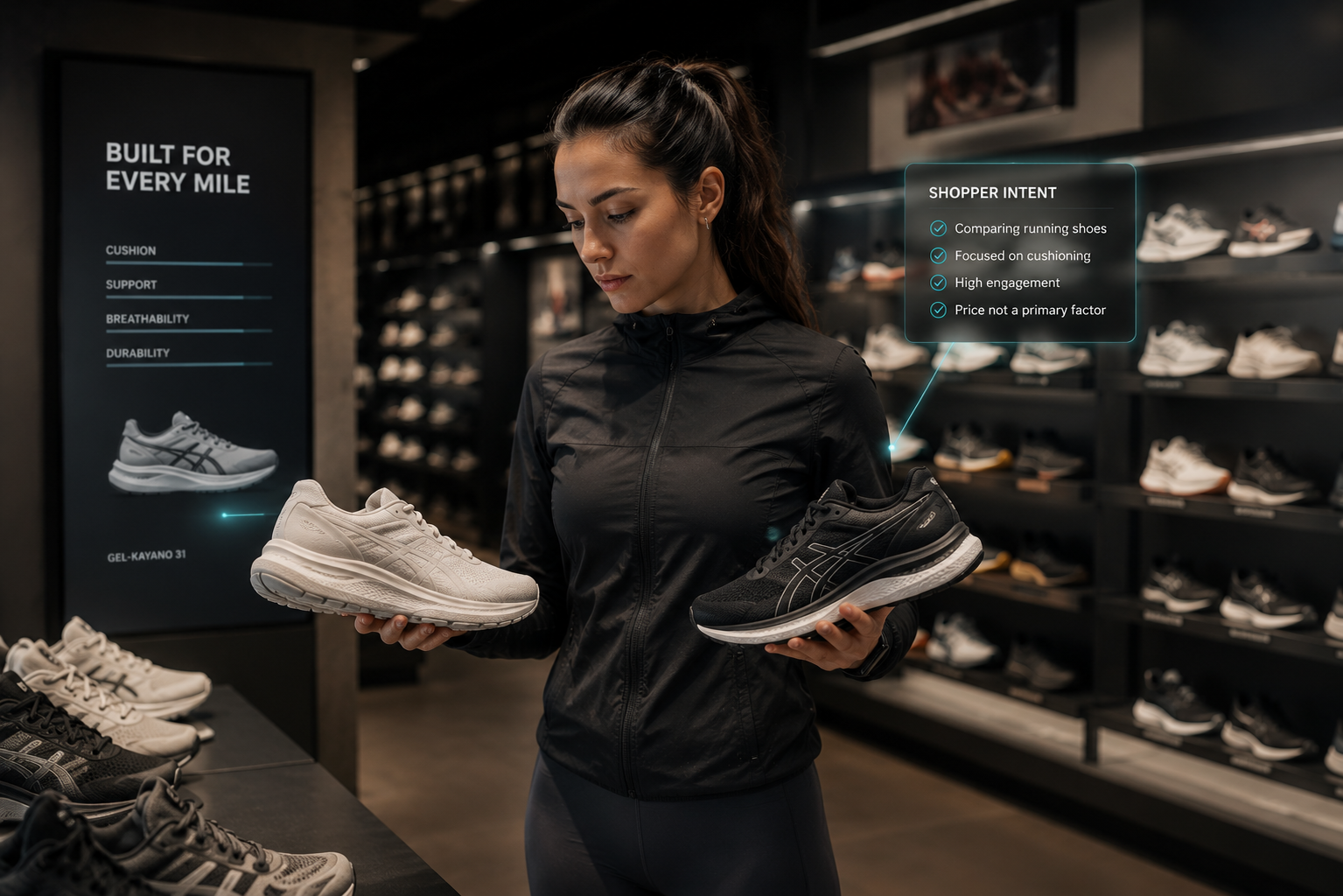
This distinction matters because customers are not static.
Their needs change daily.
Their preferences evolve.
Their intent shifts from moment to moment.
The retailers creating exceptional experiences today are not simply storing customer data. They are continuously interpreting customer behavior to understand what matters most in the present moment.
“Personalization isn’t about knowing everything about a customer. It’s about understanding what matters at the exact moment it matters.”
The Four Building Blocks of Real-Time Personalization
Delivering relevant experiences across millions of customers requires more than marketing automation. It requires a real-time intelligence layer capable of understanding, predicting, and activating customer interactions instantly.
1. Identity Resolution
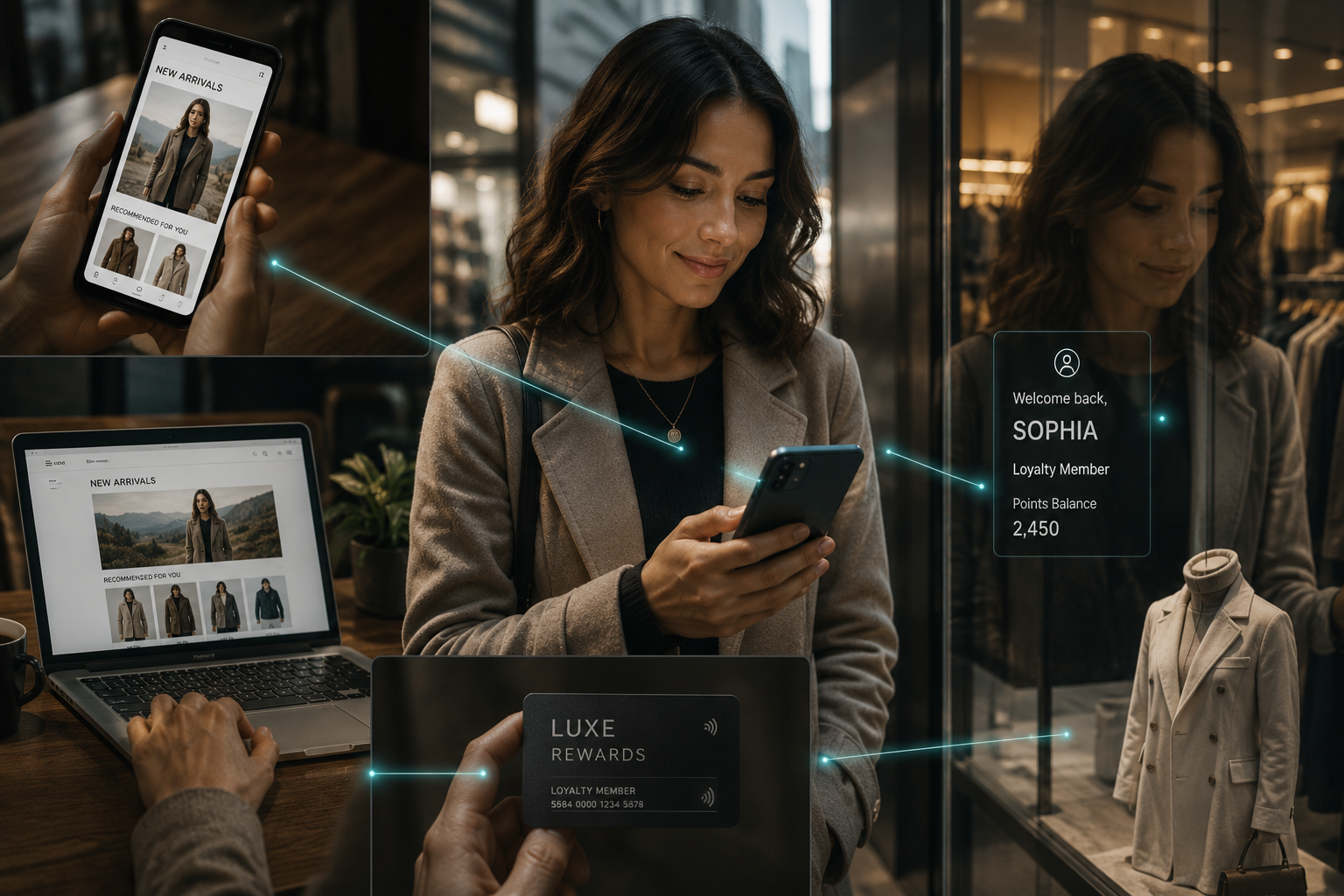
Customers engage through multiple devices, channels, and touchpoints.
A Real-Time CDP connects those interactions into a single customer identity, ensuring that app activity, website visits, store purchases, loyalty engagement, and advertising interactions all contribute to one unified customer view.
2. Real-Time Data Ingestion
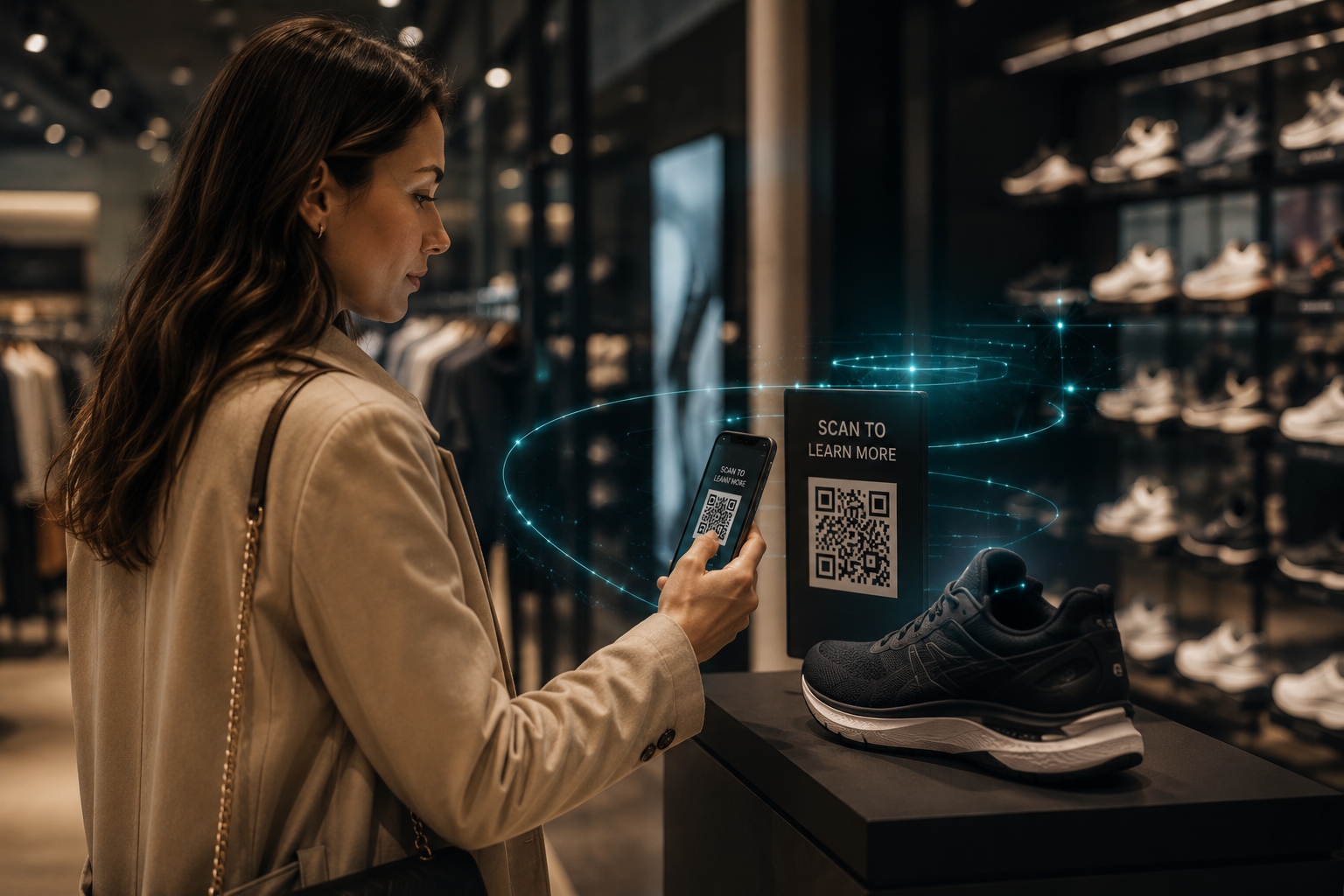
Every customer interaction generates valuable intent signals.
Instead of waiting hours or days for updates, Real-Time CDPs process these signals immediately, ensuring customer intelligence remains current and actionable.
3. AI Decisioning
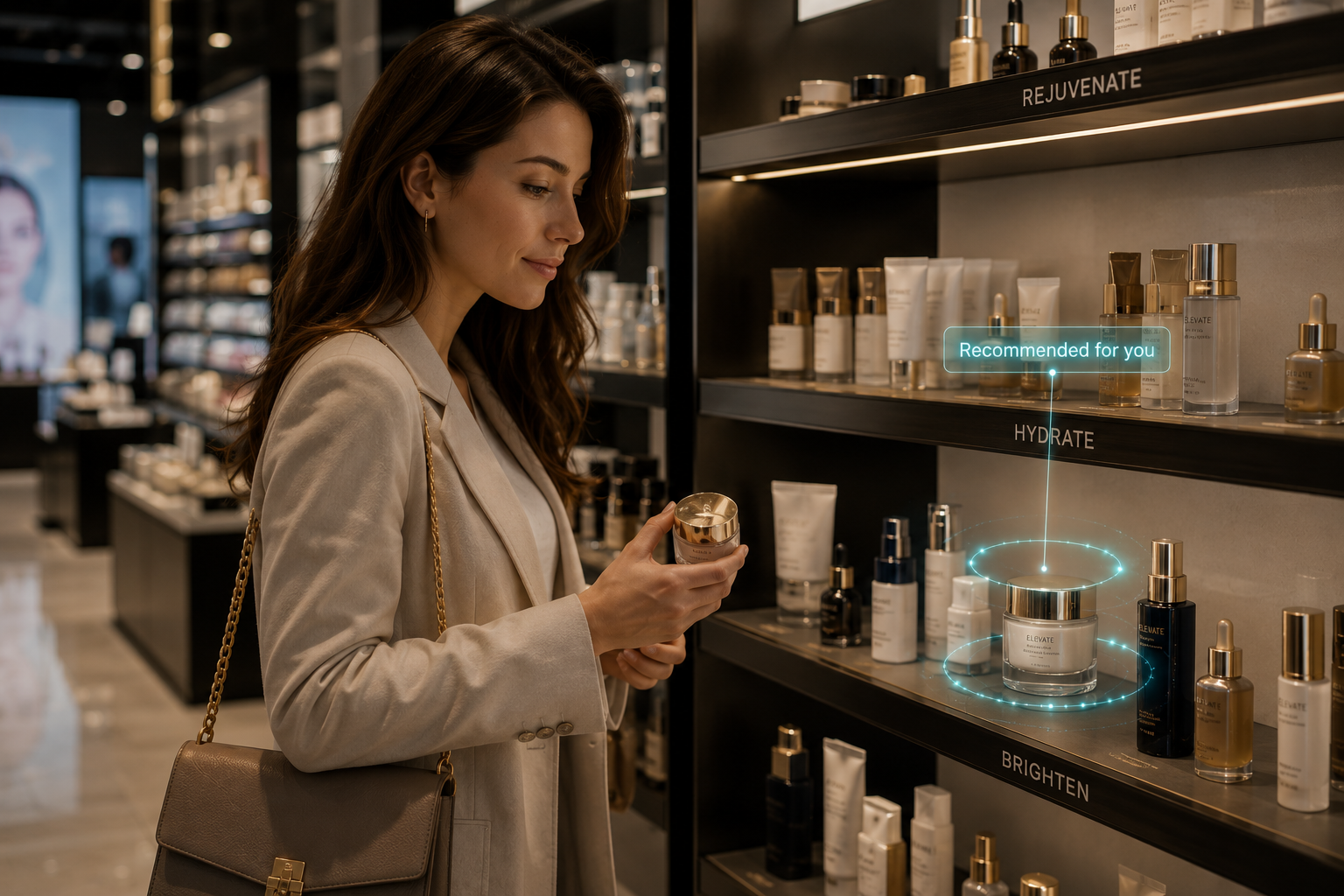
Not every customer should receive the same message.
AI models help retailers determine:
- Which customers are most likely to convert
- Which offer is most relevant
- Which channel should be prioritized
- When engagement is most likely to succeed
4. Omnichannel Activation
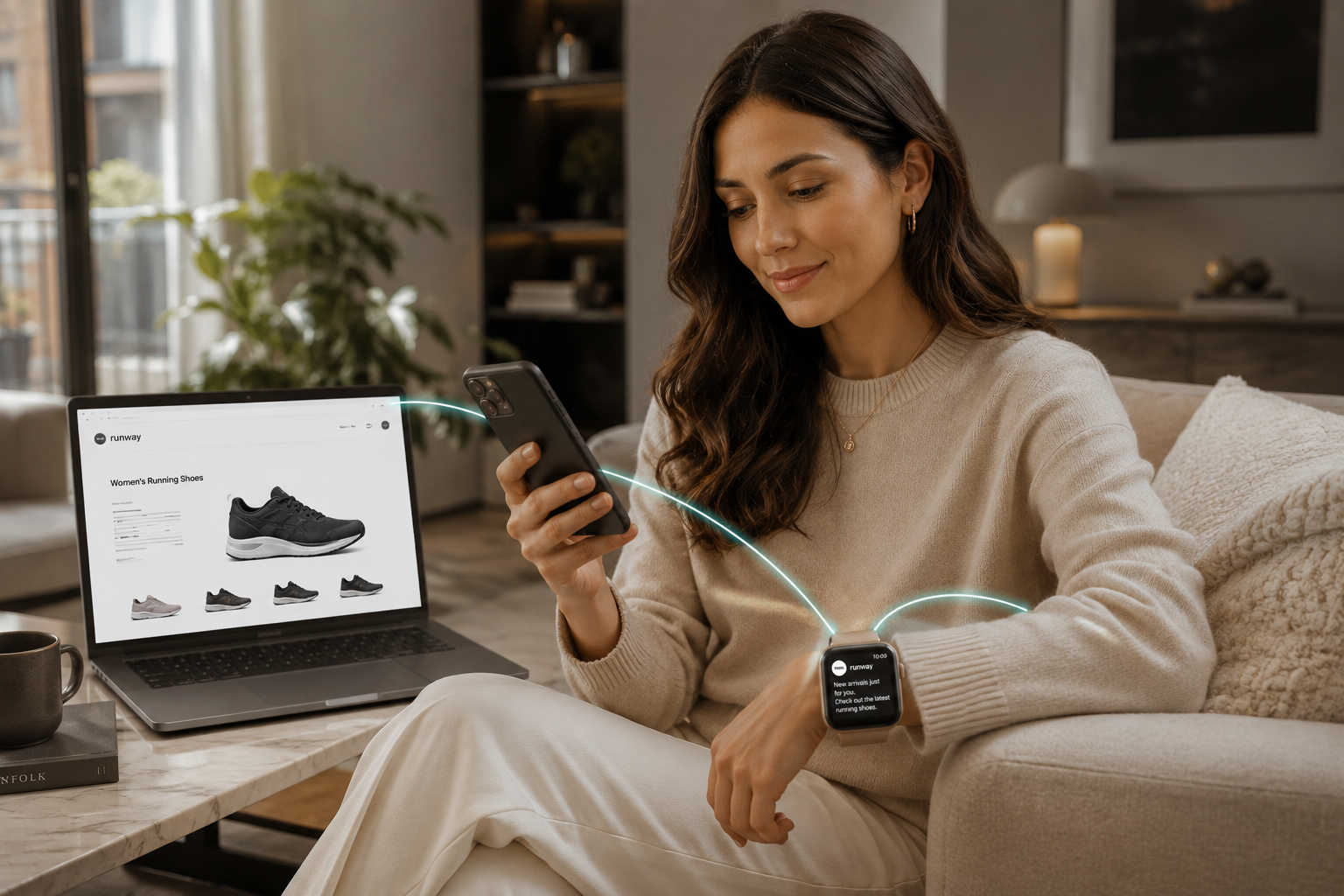
Insights only create value when they drive action.
Real-Time CDPs activate personalized experiences across:
- Websites
- Mobile apps
- SMS
- Digital advertising
- Customer support
- In-store interactions
Together, these capabilities create a connected ecosystem where every channel operates from the same customer understanding.
What Personalization at Scale Looks Like in Practice
The concept becomes easier to understand when fviewed through a real customer journey.
A Day in Sophia’s Shopping Journey

9:00 AM — Discovery
Sophia visits a retailer’s website and explores skincare products designed for hydration and sensitive skin.
The retailer immediately begins building context around her interests.
11:30 AM — Education
Instead of displaying generic promotions, the website surfaces ingredient guides, skincare routines, and educational content tailored to hydration-focused concerns.
4:00 PM — Mobile Engagement
When Sophia opens the retailer’s mobile app, product recommendations reflect the categories she previously explored.
7:00 PM — Personalized Outreach
An email arrives featuring hydration-focused product recommendations rather than broad promotional offers.
Three Days Later — Conversion
Sophia completes her purchase.
Immediately After Purchase
Everything changes.
The journey automatically shifts from acquisition to onboarding.
- Product education becomes more prominent
- Cross-sell recommendations become relevant
- Loyalty incentives become personalized
- Advertising suppression prevents wasted spend
Most importantly, every channel recognizes the purchase simultaneously.
The experience feels connected because the underlying customer intelligence is connected.
Why Retail Leaders Are Investing in Real-Time CDPs
Customer experience has become one of retail’s most powerful growth drivers.
Products can be copied.
Pricing advantages are temporary.
Customer relationships are significantly harder to replicate.
Retailers investing in real-time customer intelligence are seeing benefits across multiple areas.
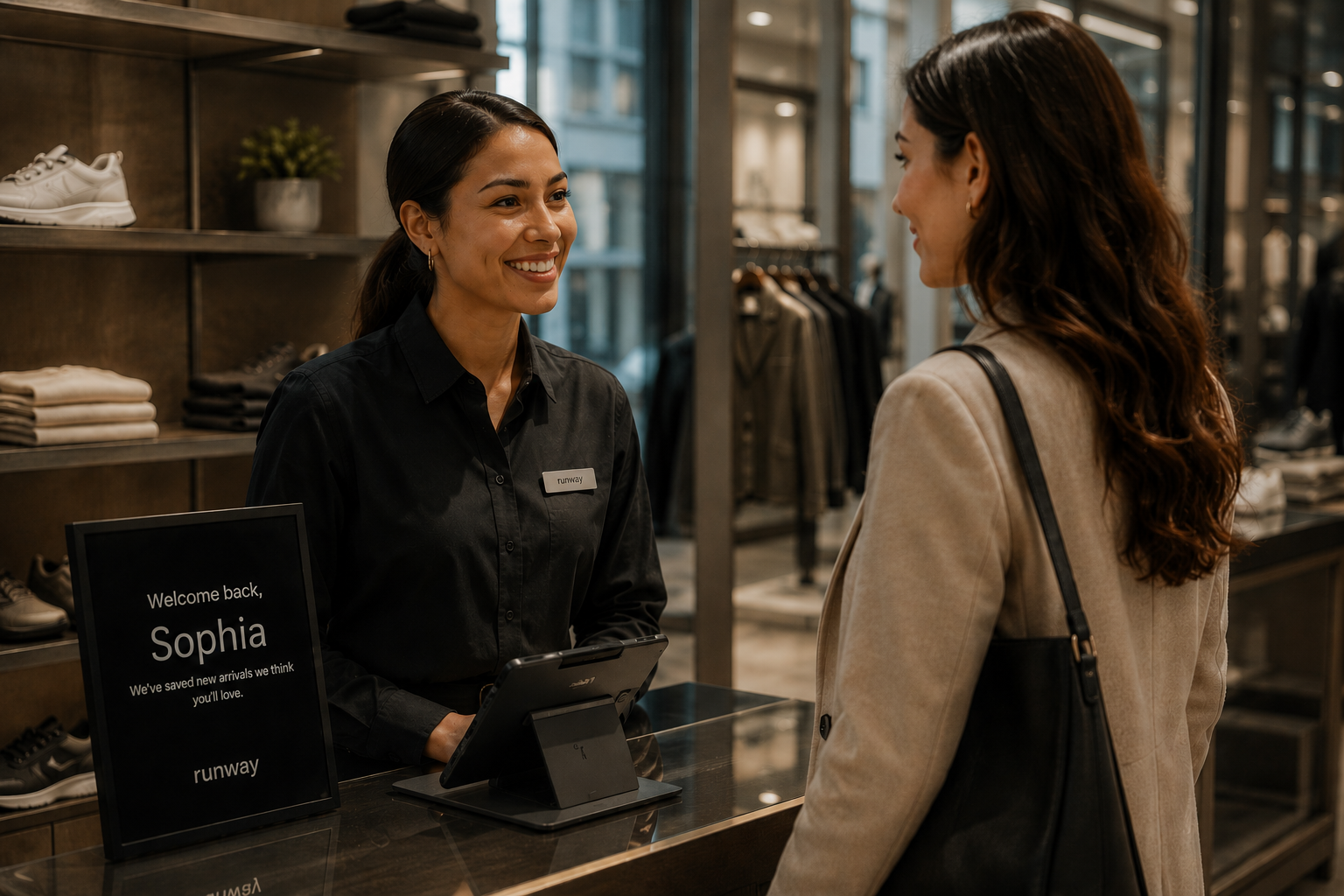
Business Impact
✓ Higher conversion rates
✓ Improved customer retention
✓ More relevant customer experiences
✓ Reduced customer acquisition costs
✓ Increased marketing efficiency
✓ Stronger loyalty and lifetime value
✓ Better cross-channel consistency
The competitive advantage increasingly belongs to brands that can respond to customer behavior while opportunities still exist not much after they have passed.
How Lemnisk Enables Real-Time Retail Personalization
As retailers modernize their customer engagement strategies, many are looking for ways to bridge the gap between customer understanding and customer action.
This is where Lemnisk helps retailers transform customer intelligence into measurable business outcomes.
Built as an AI-powered, real-time Customer Data Platform, Lemnisk enables brands to unify customer identities, process behavioral signals instantly, predict intent, and orchestrate personalized experiences across channels from a single platform.
Rather than relying on fragmented systems and delayed updates, retailers can create continuously evolving customer profiles that adapt in real time as behavior changes.
By combining:
- Identity Resolution
- Real-Time Data Processing
- Predictive Intelligence
- Audience Management
- Omnichannel Orchestration
- AI-Powered Decisioning
Lemnisk enables brands to move beyond static campaigns and build customer journeys that evolve alongside customer intent.
To see these concepts in action, check out 20 retail personalization use cases from Lemnisk.
In a world where attention shifts quickly and expectations continue to rise, milliseconds can make the difference between a missed opportunity and a meaningful customer interaction.
Key Takeaways
Before thinking about technology, retailers should recognize five fundamental shifts shaping modern customer engagement:
✓ Customers experience one brand, not multiple channels.
✓ Intent changes faster than traditional marketing systems can respond.
✓ Real-time context is more valuable than historical profiles alone.
✓ AI is essential for delivering personalization at enterprise scale.
✓ Competitive advantage increasingly comes from responsiveness rather than reach.
The Future Belongs to Retailers That Understand Customers in Motion
Retail is no longer defined by channels.
It is defined by experiences.
Customers do not think in terms of websites, mobile apps, stores, emails, or advertisements. They simply expect brands to recognize them, understand them, and respond intelligently regardless of where interactions occur.
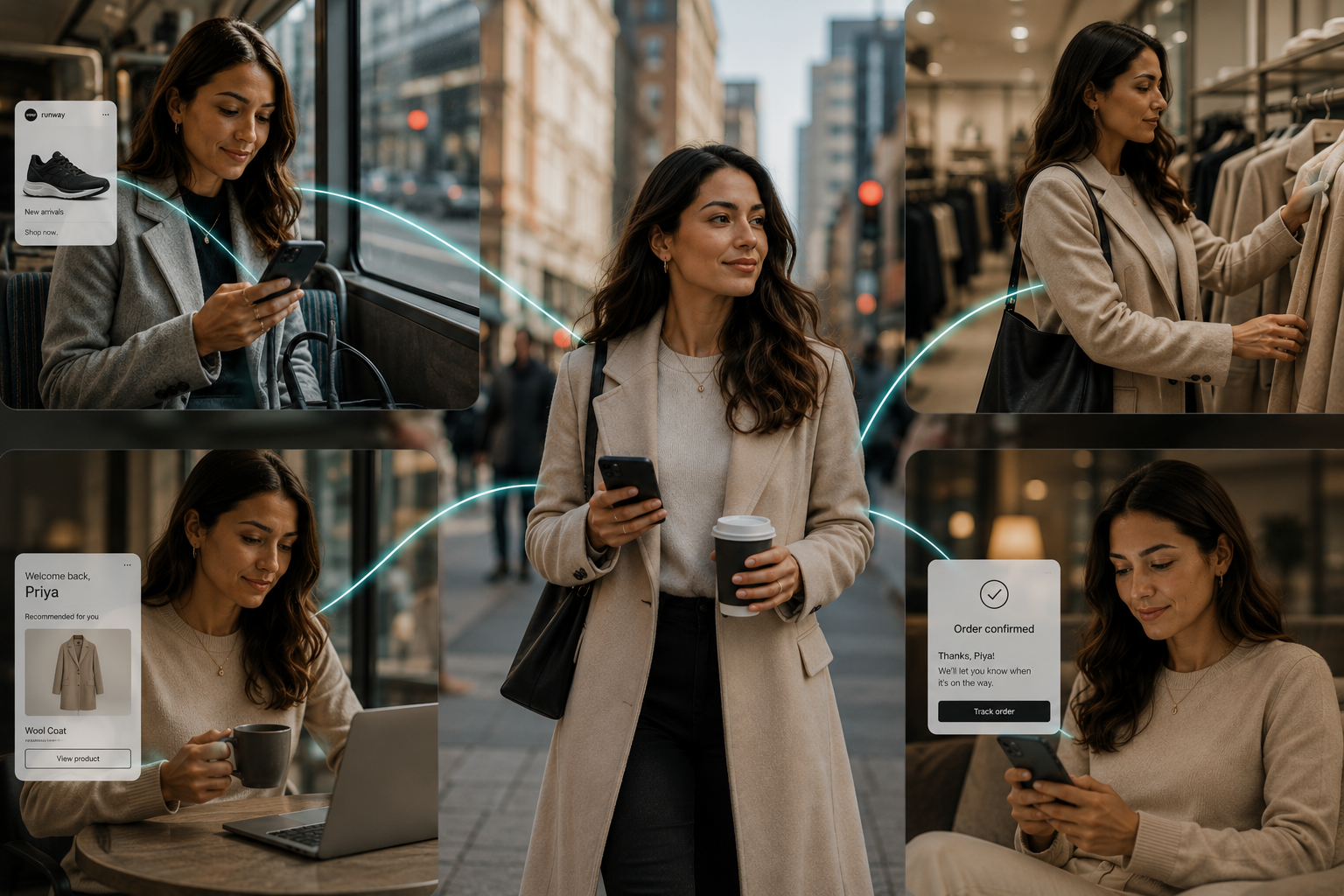
The retailers that will define the next decade are those capable of understanding customers in motion, continuously interpreting signals, adapting experiences, and delivering relevance in real time.
Real-Time CDPs make this possible.
They transform fragmented customer interactions into connected intelligence. They enable brands to move beyond reactive marketing and toward responsive engagement. Most importantly, they allow organizations to treat millions of customers as individuals without sacrificing scale.
Because the future of personalization is not about knowing more. It’s about understanding faster.
The future of retail belongs to brands that understand customers in motion.
Get a demo and see how real-time customer intelligence can power personalization at scale.

Leave a Reply