It’s 8:30 on a Tuesday morning.
A patient receives a notification: “Your lab results are now available.” Within seconds, they log in, download their report, scan through unfamiliar medical terms, and close the app.

For most diagnostic providers, that’s where the interaction ends.
But for the patient, the journey is only beginning.
Questions remain unanswered. Should they consult a doctor? Do they need another test? Is this something to monitor over time? What lifestyle changes should they consider?
In today’s healthcare landscape, patients expect more than access to reports, they expect guidance, continuity, and personalized experiences. The organizations that recognize this shift are redefining diagnostics, not as a single transaction, but as an ongoing relationship.
The opportunity lies not in conducting more tests, but in making every interaction after the test more relevant, timely, and valuable.
Healthcare Is Becoming Consumer-First, And Patients Are Setting the Expectations
Healthcare is undergoing the same transformation that reshaped industries like retail, banking, and travel. Consumers now expect healthcare experiences to be digital, connected, and personalized.
Recent research from PwC highlights just how dramatically expectations are changing:
- 70% of consumers use digital health technologies every month, from patient portals and telehealth to wearable devices.
- 65% want healthcare systems to prioritize prevention over treatment.
- Nearly one in three consumers are willing to pay more for personalized healthcare experiences if they receive more relevant support and continuous engagement.
The message is clear: patients are no longer evaluating healthcare providers solely on clinical expertise. They’re comparing every interaction against the seamless digital experiences they receive from leading consumer brands.
For diagnostic chains, this represents both a challenge and an opportunity.
The Hidden Cost of Fragmented Patient Data
Every diagnostic chain captures enormous amounts of patient information.
Appointment history.
Diagnostic reports.
Website activity.
Mobile app interactions.
Campaign responses.
Loyalty memberships.
Call center conversations.
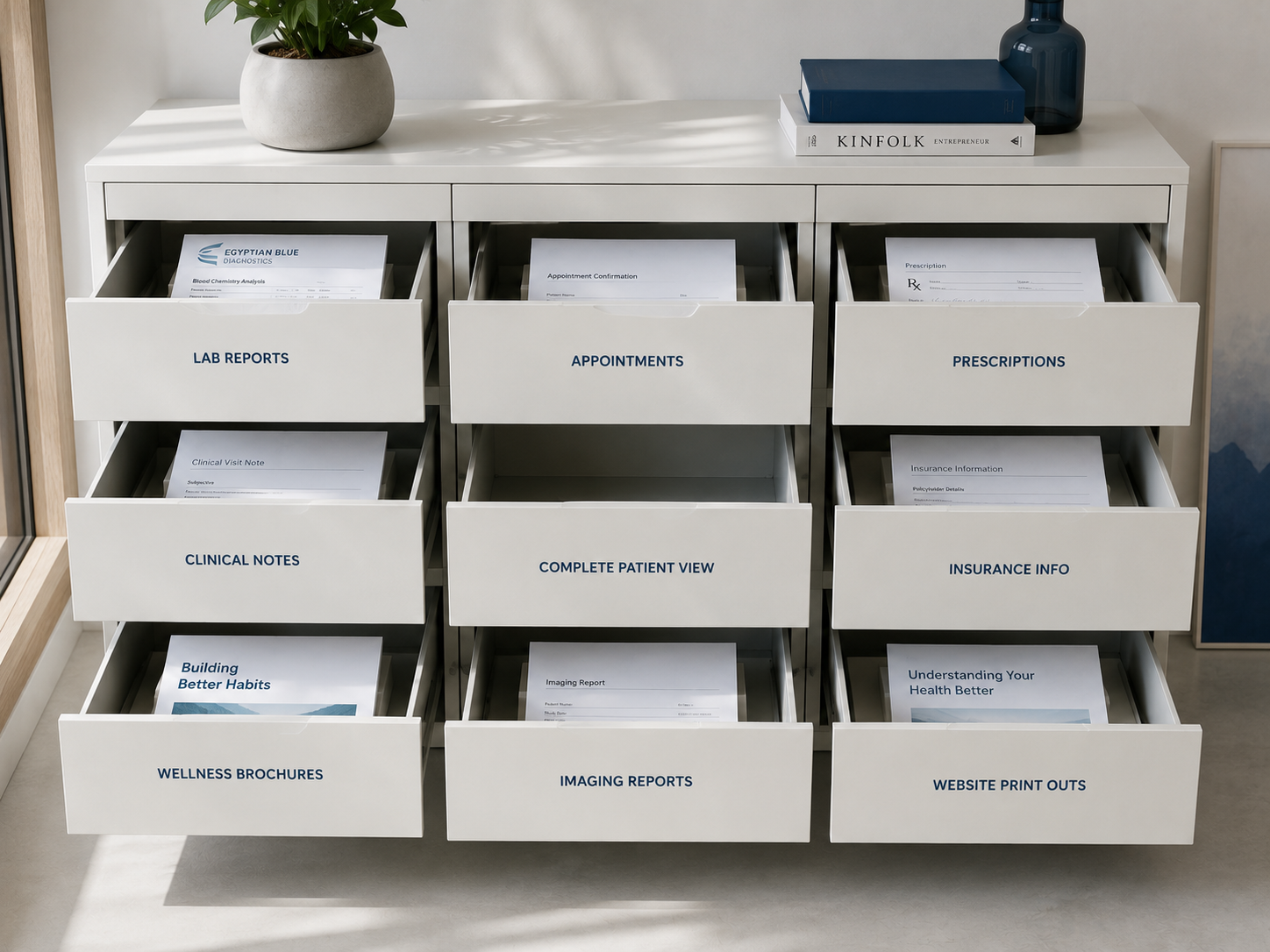
The challenge isn’t collecting data, it’s connecting it.
In many organizations, these insights remain locked inside different systems. Marketing teams know which campaigns generated appointments. Laboratory systems know which tests were completed. Customer support teams understand patient concerns. None of these systems, however, communicate effectively with one another.
The result?
Patients receive annual health check promotions days after completing one.
Follow-up reminders continue even after appointments are booked.
Educational content bears little relevance to the patient’s latest diagnosis.
Each interaction may seem minor, but together they create a fragmented experience that weakens patient trust and reduces engagement.
Why Generic Follow-Ups No Longer Deliver Results
Not every patient follows the same healthcare journey.
A young professional booking a Vitamin D test has very different needs from someone managing diabetes or monitoring cardiovascular health.
Yet many diagnostic chains continue sending identical reminders, identical promotional offers, and identical wellness campaigns to everyone.
This “one-size-fits-all” approach overlooks the most important factor in healthcare communication: context.
Personalization isn’t simply addressing patients by their first name.
It’s understanding:
- Why they visited.
- What health concerns they’re managing.
- Which tests they’ve already completed.
- What action they’re most likely to need next.
- When they’re most receptive to engagement.
Without this context, follow-up becomes noise instead of value.
Enter the Customer Data Platform: Connecting Every Patient Touchpoint
A Customer Data Platform (CDP) changes the conversation by creating a unified, real-time view of every patient.

Instead of treating appointments, campaigns, and digital interactions as isolated events, a CDP continuously brings together data from across the organization into a single, evolving patient profile. When combined with real-time data pipelines and activation capabilities, this unified profile enables healthcare providers to deliver more contextual and timely patient experiences across every touchpoint.
This profile can include:
- Diagnostic history
- Appointment frequency
- Digital engagement behavior
- Preferred communication channels
- Preventive health package purchases
- Family profiles
- Loyalty program activity
- Website browsing patterns
- Mobile app usage
- Marketing campaign interactions
The result is far more than centralized data.
It enables diagnostic providers to understand where each patient is in their healthcare journey and respond accordingly.
A unified patient profile, however, is only the starting point. Delivering meaningful healthcare experiences also requires the ability to interpret patient behavior as it happens, make intelligent decisions, and activate personalized interactions across digital and offline channels. Platforms that combine Customer 360 with real-time identity resolution, AI-driven decisioning, and low-latency activation help diagnostic providers move from patient insights to patient engagement without delay.
Customer Data Platforms become truly valuable when they unify every patient interaction into a single, continuously evolving profile. While this article explores how diagnostic providers can personalize follow-up and cross-sell, our ebook goes deeper into the architecture, strategy, and implementation of unified patient profiles across the broader healthcare ecosystem.
Recommended Reading: CDP for Healthcare – Building a Unified Patient and Member Profile
The Lemnisk Perspective
While many organizations view Customer Data Platforms as infrastructure for unifying customer information, we believe their true value lies in transforming data into intelligent action.
For diagnostic chains, personalization isn’t about increasing the volume of communication, it’s about improving the relevance of every interaction. Every report downloaded, appointment booked, reminder opened, or wellness package explored contributes to a richer understanding of the patient’s evolving healthcare journey.
At Lemnisk, we see the future of diagnostics shifting from campaign-driven engagement to AI-powered, event-driven patient orchestration. While a unified patient profile provides the foundation, meaningful engagement depends on the ability to interpret patient behavior, resolve identities across systems, and activate the right experience at the right moment. By combining Customer 360 with real-time decisioning and activation, diagnostic providers can move from simply knowing their patients to responding intelligently throughout the healthcare journey.
Turning Follow-Up Into a Continuation of Care
Traditionally, diagnostic providers have viewed report delivery as the end of the service.
Progressive organizations see it differently.

They treat report delivery as the beginning of the next phase of engagement.
Imagine a patient whose preventive screening identifies elevated cholesterol.
Instead of receiving another promotional discount, the patient could receive timely, personalized follow-up communications such as:
- Easy-to-understand educational content explaining the results.
- Nutrition and lifestyle recommendations.
- A reminder to consult a physician.
- Follow-up lipid profile reminders based on recommended testing intervals.
- Relevant wellness programs designed to support long-term cardiovascular health.
Every interaction feels purposeful because it reflects the patient’s current needs, not a generic marketing calendar.
This is personalization that improves both patient experience and continuity of care.
While this article focuses on diagnostic providers, many of the same personalization principles are transforming pharmaceutical engagement. Explore how real-time Customer Data Platforms enable personalized patient support, adherence journeys, and omnichannel engagement across the pharma ecosystem in our ebook, Real-Time Personalization for Pharma.
Cross-Selling Works Best When It Feels Like Clinical Guidance
Healthcare is different from retail.

Patients don’t want to feel like they’re being sold additional services.
They want confidence that every recommendation is relevant.
When powered by a unified patient profile and intelligent decisioning, cross-selling shifts from promotional marketing to meaningful healthcare guidance.
For example:
- Patients managing diabetes can receive reminders for HbA1c monitoring and kidney function tests.
- Individuals showing signs of Vitamin D deficiency may be guided toward bone health assessments.
- Patients completing executive health check-ups can receive personalized recommendations for annual preventive screenings.
- Families visiting for pediatric diagnostics may be introduced to vaccination tracking or child wellness packages.
Each recommendation is rooted in context rather than demographics alone.
The conversation changes from “Here’s another offer” to “Here’s what may help you next.”
Real-Time Personalization Across Every Channel
Today’s patients rarely interact through a single touchpoint.

They may discover a diagnostic package through social media, compare services on the website, book appointments via a mobile app, receive reminders on WhatsApp, and contact customer support before visiting a diagnostic center.
Without connected systems, every channel operates independently.
A Customer 360 foundation, combined with real-time orchestration and activation capabilities, enables these interactions to remain connected across channels.
If a patient books an appointment, downstream engagement systems can automatically suppress promotional reminders.
If someone abandons an online booking, engagement platforms can trigger personalized reminders based on the patient’s recent interactions.
If a patient frequently reads preventive health content, educational campaigns can be tailored based on the patient’s interests, health history, and recent engagement.
Every touchpoint builds upon the last instead of repeating it.
Why This Matters for Business Outcomes
Better patient experiences don’t just improve satisfaction, they create measurable business value.
According to Deloitte, 76% of healthcare providers believe patient-initiated demand will significantly reshape the diagnostics market over the next three years. At the same time, providers increasingly recognize that consumers expect diagnostic experiences to be convenient, personalized, and easy to navigate.
Organizations that deliver these experiences stand to benefit from:
- Higher follow-up test completion rates
- Increased preventive screening participation
- Improved patient retention
- More relevant cross-sell opportunities
- Greater lifetime patient value
- Stronger patient trust and loyalty
Rather than chasing one-time transactions, they build relationships that continue long after a report is downloaded.
The future of healthcare extends beyond diagnostics alone. As organizations increasingly combine diagnostics, preventive care, wellness programs, and continuous engagement, Customer Data Platforms become the foundation for delivering connected experiences across the entire health journey.
Learn how wellness providers are using unified customer data to create intelligent, personalized engagement in our ebook, CDP for Wellness Platforms.
The Future of Diagnostics Will Be Built on Connected Experiences

The next generation of diagnostic care won’t be defined solely by faster laboratory turnaround times or broader test portfolios.
It will be defined by what happens after the diagnosis.
As AI, predictive analytics, Customer Data Platforms, and real-time engagement technologies continue to mature, diagnostic chains will increasingly anticipate patient needs instead of reacting to them. Follow-ups will become proactive, recommendations will become more clinically relevant, and every interaction will contribute to a connected healthcare journey rather than a series of disconnected touchpoints.
The organizations leading this transformation won’t simply collect more patient data.
They’ll unify patient data, apply AI-driven insights, and activate personalized experiences that are timely, relevant, and tailored to every stage of the healthcare journey.
Because in modern diagnostics, the report isn’t the finish line.
It’s the beginning of a smarter, more connected patient relationship.
Discover how Lemnisk’s AI-powered Customer Data Platform helps healthcare organizations transform patient data into personalized follow-ups, connected experiences, and lasting relationships.

Leave a Reply